Dreaming of a Victorian with original millwork or a brick rowhouse steps from Main Street? Buying a historic home in Boonton can be deeply rewarding, but it comes with unique rules, inspections, and budget considerations. If you love character and want commuter-friendly living with NJ Transit access, this guide will help you move forward with confidence. You will learn how to confirm a home’s status, plan inspections, finance renovations, and make preservation-friendly upgrades. Let’s dive in.
Why Boonton’s historic homes stand out
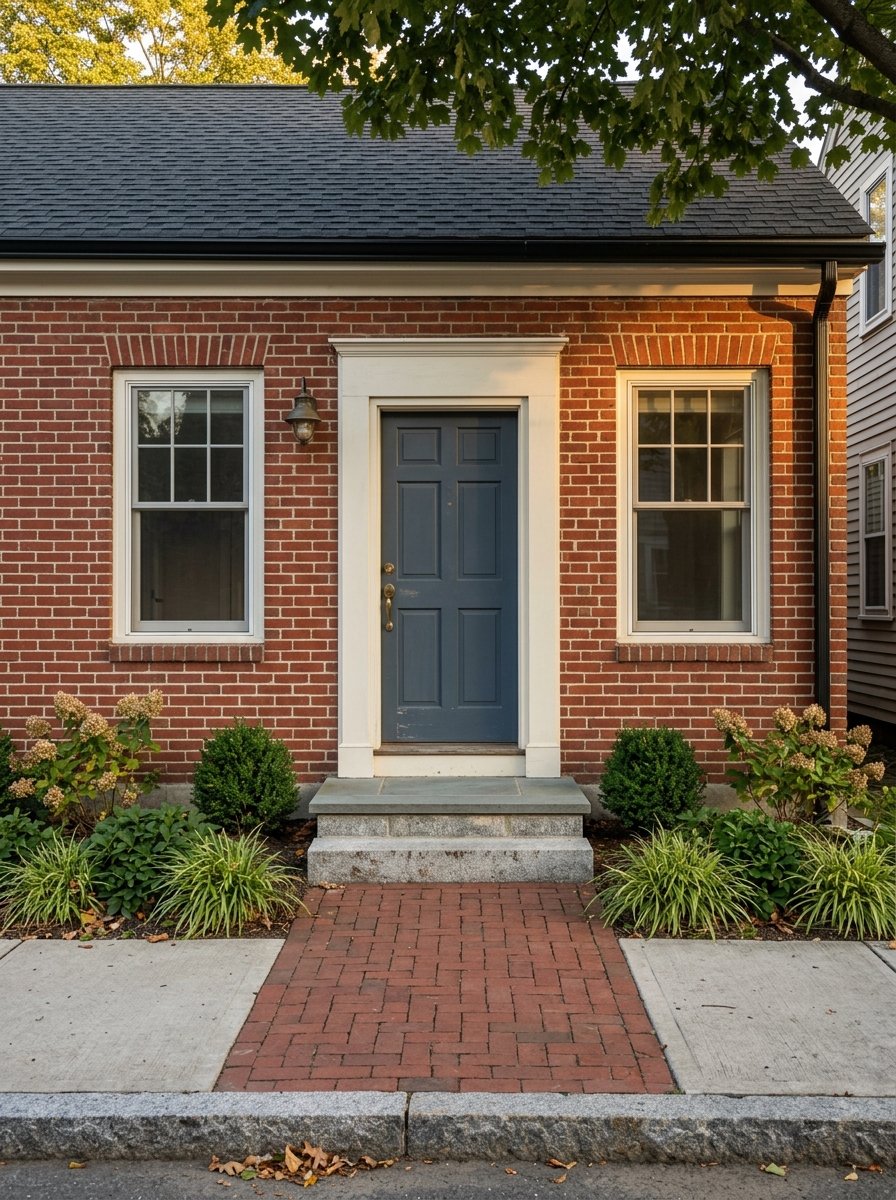
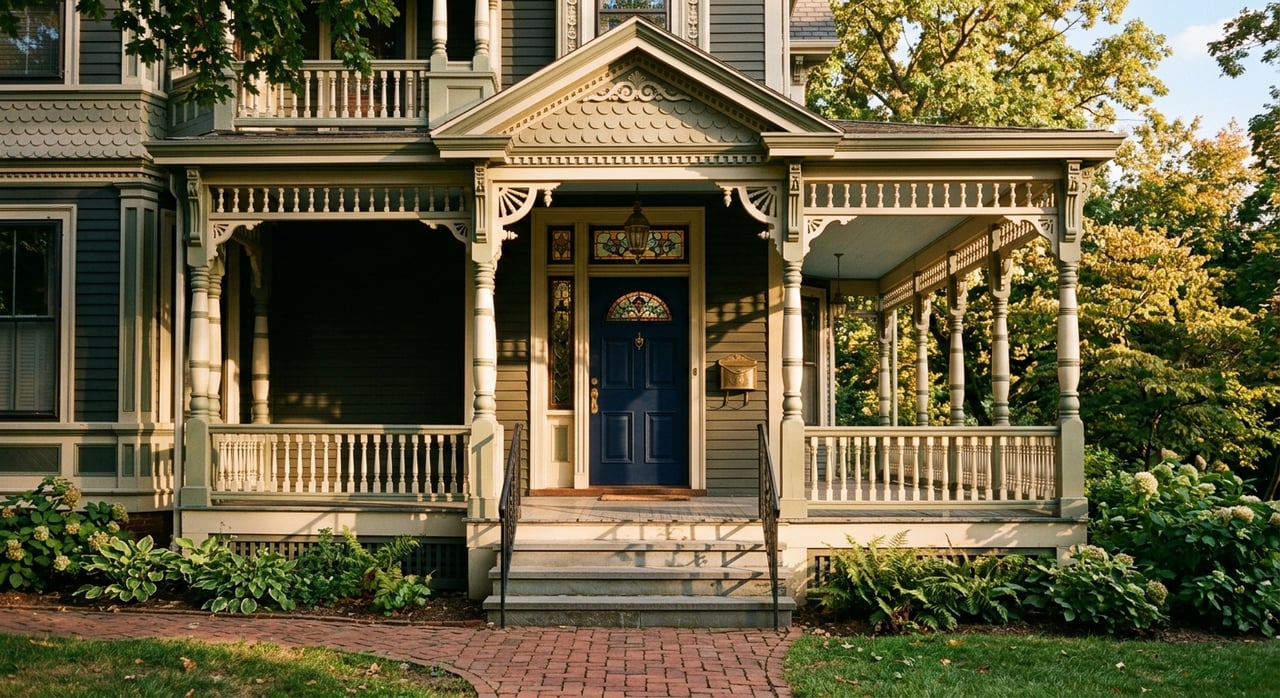
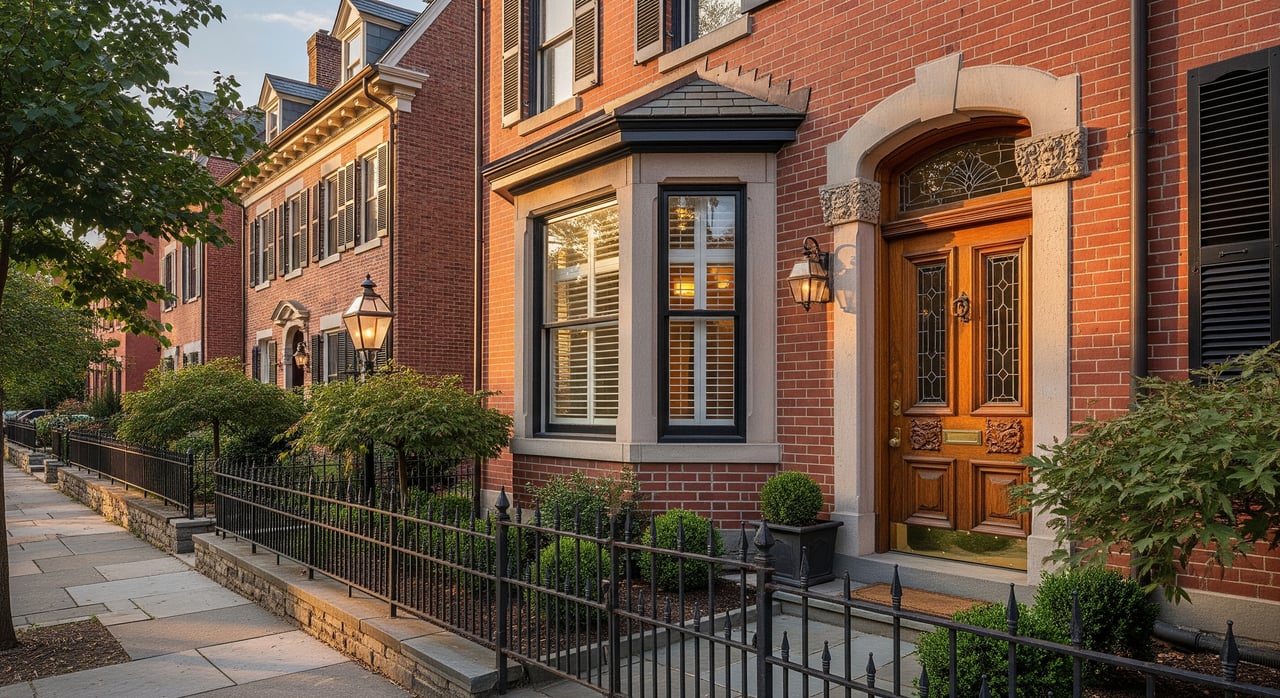
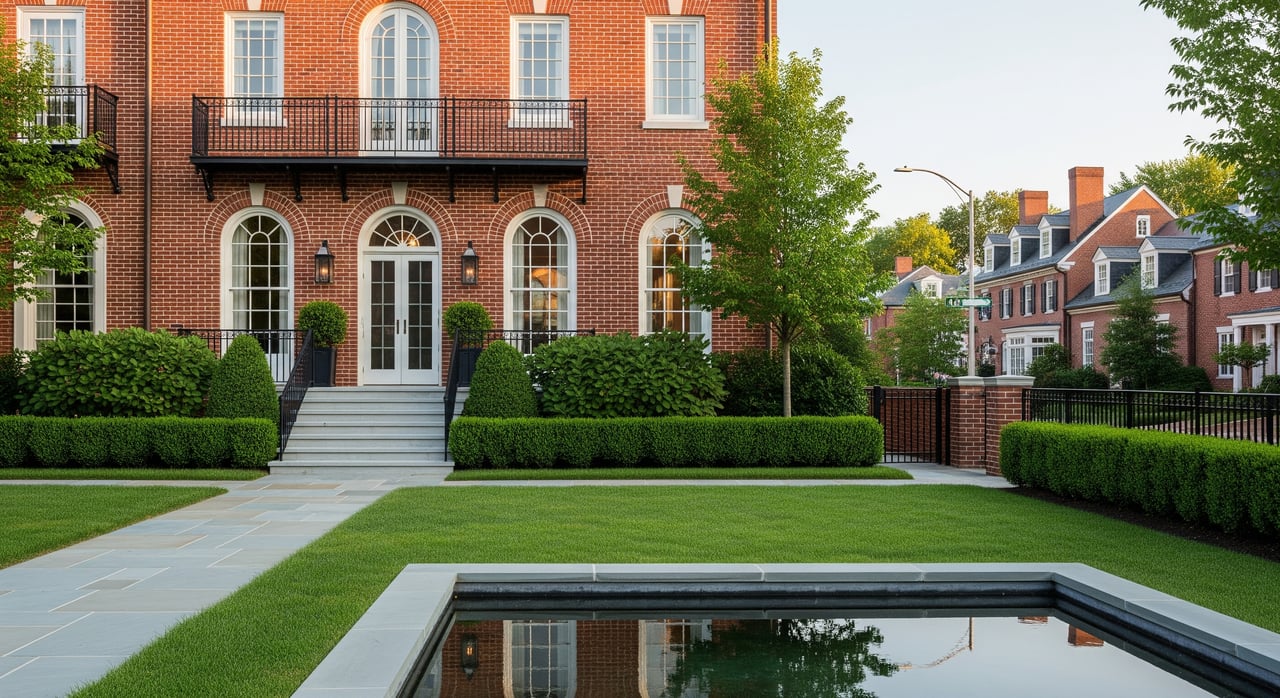
Boonton has a strong inventory of 19th- and early 20th-century homes near downtown and in several established neighborhoods. You will see Victorian-era wood-frame houses, brick masonry hall or row houses, and mill-worker cottages. Some early industrial buildings have been converted to residences, adding to the variety.
Many properties fall within local historic districts or appear on state or National Register listings. Local designation often affects exterior changes, while National Register status is primarily honorary and tied to certain incentives. Boonton’s commuter access on the Montclair–Boonton line, plus a lively downtown, makes these homes popular and sometimes competitive.
Confirm the home’s historic status
Local vs. state vs. national
- Local historic district or landmark: Most likely to require approval for exterior changes visible from the street. Expect review for windows, doors, porches, siding, rooflines, new additions, and demolition.
- State and National Register: Recognition that can open the door to incentives. These listings usually do not restrict a private owner’s work unless you use state or federal funds or permits.
- Easements and covenants: Some properties carry preservation easements recorded in the title that limit alterations. These run with the property and should be discovered during title work.
Where to verify designation
Start with Boonton Borough’s planning and zoning staff or the Historic Preservation Commission for local district maps, ordinances, and guidelines. For broader context or overlays, contact Morris County planning or historic preservation staff. Check with the New Jersey Historic Preservation Office for state listings and program guidance. For National Register research, look up nomination forms, which often include historic and architectural details. The Boonton Historical Society and local library can also provide photos and prior research.
Understand rules and approvals
What often needs approval
If the home sits in a local historic district, you may need a Certificate of Appropriateness or similar approval for exterior work visible from the right-of-way. Routine maintenance may be reviewed administratively, but window replacements, re-siding, roofing changes, additions, and façade work typically require a hearing. National Register status alone does not trigger local approvals, but municipal ordinances can.
Timing and process tips
- Review the local ordinance early so you know what triggers a hearing.
- Request a pre-application meeting with staff to preview your plans.
- Build time into your schedule if you plan larger exterior changes. Some towns hold monthly hearings, so plan your project sequence with that calendar in mind.
- If your purchase depends on a specific exterior change, make that clear in your offer and allow time for review.
Financing and incentives for older homes
Renovation mortgages that bundle repairs
Consider loans that combine purchase and rehabilitation into one mortgage. Options include FHA 203(k) and Fannie Mae HomeStyle Renovation. These products work well for historic homes but require an experienced lender, clear project scope, and contractor bids. Share your inspection findings and proposed work plan early to prevent delays.
Incentives and what to expect
- Federal Historic Rehabilitation Tax Credit: A 20 percent credit is available for certified rehabilitation of income-producing historic buildings. It does not apply to an owner-occupied primary residence.
- State or local programs: New Jersey and some municipalities periodically offer grants, low-interest loans, or façade programs. Availability changes, so confirm current options with state or local offices.
- Insurance and appraisal: Older systems, slate roofs, and unique materials can affect insurability and replacement cost. Speak with an insurance agent and appraiser who work with historic properties.
Health, safety, and code issues
Lead, asbestos, and other hazards
Homes built before 1978 are subject to federal lead paint disclosure rules. Renovation work that disturbs lead-based paint must follow the EPA’s Renovation, Repair and Painting (RRP) Rule, which requires certified contractors and lead-safe practices. Depending on age and materials, plan for a lead test, an asbestos survey, and a termite inspection. In older neighborhoods, also ask about abandoned fuel oil tanks and mold or moisture concerns.
Building codes and permits
Some municipalities provide historic alternatives or performance-based code paths for sensitive work. Others require full compliance for major alterations. Confirm requirements with Boonton’s building department and, if applicable, the Historic Preservation Commission before you finalize scope and schedule.
Smart inspections for historic properties
In addition to a standard home inspection, schedule specialists who understand older construction:
- Structural or engineer review if there is settlement, sagging floors, or major prior alterations.
- Chimney and fireplace inspection and flue sweep.
- Roof and flashing inspection, especially for slate or metal.
- Masonry and mortar analysis for brick or stone to ensure compatible repointing.
- Lead paint testing and risk assessment for pre-1978 homes.
- Asbestos survey for suspect insulation, floor tiles, or pipe wrap.
- Termite and wood-destroying insect inspection.
- HVAC and electrical evaluation to identify obsolete systems like knob-and-tube wiring or fuse panels.
- Moisture and drainage assessment to address foundation and water management.
Plan preservation-friendly upgrades
Follow proven preservation standards
The Secretary of the Interior’s Standards offer practical principles: prioritize repair over replacement, protect character-defining features, and make alterations reversible when possible. Repairing original elements often costs less over time and preserves value.
Energy savings with minimal impact
- Windows: Repair original sashes and hardware when feasible. Add interior or exterior storms for efficiency while keeping historic profiles. Replacement may be limited in local districts.
- Insulation and air sealing: Start with attic insulation and sealing gaps for the best return with low disruption. Use vapor-permeable strategies in masonry walls and be cautious with wall insulation in balloon-framed houses. Maintain balanced ventilation.
- Heating and cooling: High-efficiency boilers, condensers, or ductless mini-split heat pumps fit homes with limited duct space. If adding ducts, route through basements or attics to protect finishes.
- Roofing: Maintain slate or metal roofs when present. If replacement is necessary, use like materials where allowed to retain character and longevity.
- Lighting and appliances: Upgrade to LED and efficient appliances while preserving historic fixtures and trim.
Budgeting and cost drivers
Historic rehabs can reveal hidden conditions. Build a healthy contingency for structure, moisture damage, and hazardous materials. Masonry repointing, slate or metal roof repair, and structural stabilization are common higher-cost items. Plan for electrical, plumbing, and HVAC upgrades to meet safety and lender requirements. Specialized craftsmen may cost more, but quality work protects both performance and historic character.
Build your team in Boonton
Who to involve
- Real estate agent experienced with historic properties and local approvals.
- Preservation architect or architect with historic rehab experience.
- Licensed general contractor who is comfortable with original materials and methods.
- Structural engineer with historic building expertise.
- Lead risk assessor and RRP-certified contractors.
- Chimney, slate or standing-seam metal roofer, and masonry pros skilled in compatible mortar.
- Lender experienced with FHA 203(k) or HomeStyle Renovation.
- Insurance agent familiar with older homes.
- Title company to flag easements or restrictive covenants.
How to vet vendors
- Ask for similar project examples, references, and before-and-after photos.
- Verify RRP certification for work that may disturb lead paint.
- Confirm they have navigated historic commission approvals and can handle permits.
- Red flags: pushing full replacement without exploring repair, dismissing compatible materials, or lack of proper insurance and bonding.
What to include in contracts
- A scope that names conservation-minded specs, such as mortar mixes compatible with historic brick.
- Phased estimates and allowances for unknowns.
- Clear responsibility for permits and commission approvals.
- Warranties and cleanup protocols for lead or asbestos work.
Your step-by-step timeline
Before you write an offer
- Confirm local historic district or landmark status and review municipal design guidelines.
- Ask the seller for permit history, older photos, and any prior approvals.
- Check availability of municipal or commission staff for pre-application questions.
Typical 30–45 day due diligence after acceptance
- Days 0–3: Book your standard inspection. Order lead and asbestos tests and a termite inspection.
- Days 3–10: Bring in specialists for structure, chimney, roof, HVAC, and masonry. Start lender discussions if you plan a renovation loan.
- Days 7–14: Secure contractor proposals and a preliminary budget. Get two bids for major items like roofing or structural work.
- Days 10–21: Review municipal and commission requirements to learn if your exterior plans need a formal application and to estimate timelines.
- Days 14–28: Negotiate repairs, credits, or project scope. Finalize renovation financing. If required, file the historic commission application.
- Days 21–30+: Close, subject to appraisal and financing. If approvals are needed before permits, allow time after closing for any scheduled hearings.
Planning a larger restoration
- Design and documentation: 1–3 months for drawings and staff consults.
- Historic commission review and permits: 1–3 months, depending on schedules.
- Construction: 3–12 months or more, based on scope.
- If pursuing credits or grants for eligible income-producing properties, expect additional pre-approval steps.
Buyer checklist you can use
Before or at offer
- Verify local designation and design guidelines.
- Request prior permits, photos, and approvals from the seller.
- Confirm staff availability for questions and pre-application.
During due diligence
- Order standard and specialty inspections noted above.
- Get at least two bids for major work and confirm timelines.
- Consult your insurer and lender early about coverage and renovation financing.
- Have the title company check for easements or covenants.
- Speak with the local commission or planning office about your proposed scope.
After purchase, before work
- Photograph existing conditions and keep records for applications.
- If you will seek grants or program incentives for eligible work, coordinate timing and documentation needs in advance.
- Confirm RRP certification for any contractor working on pre-1978 paint and verify experience with historic materials.
Ready to find your historic home in Boonton?
With the right plan, you can enjoy the charm you love and the function you need. Start by confirming status, lining up specialty inspections, and building a team that respects historic fabric. If you want a local guide who understands historic and higher-end homes across Morris County, reach out to Sueanne Sylvester for thoughtful buyer advocacy and a clear path from search to closing.
FAQs
What makes a home in Boonton “historic”?
- A home may be historic due to age and significance, and it may fall within a local historic district or be listed at the state or national level; local status is most likely to affect exterior changes.
Do National Register listings limit what I can change on a Boonton home?
- National Register status is generally honorary and does not restrict private work unless state or federal funds or permits are involved; local ordinances can still require approvals.
How do renovation loans work for historic Boonton homes?
- FHA 203(k) and Fannie Mae HomeStyle can combine purchase and rehab into one mortgage; you provide a defined scope, contractor bids, and work with a lender familiar with these programs.
What inspections are most important for a 1900s Boonton house?
- In addition to a standard inspection, prioritize structure, chimney, roof, masonry, lead and asbestos testing, termites, HVAC and electrical, and moisture and drainage.
How long does historic commission approval usually take in Boonton?
- Timing varies by project size and meeting schedules; simple maintenance may be approved administratively, while larger exterior work often requires a hearing with additional lead time.
Can I replace original windows in a Boonton historic district?
- It depends on local guidelines; many commissions encourage repair and storms first, with replacement reviewed based on materials, profiles, and visibility.
How should I handle lead paint when renovating a Boonton historic home?
- For pre-1978 homes, use RRP-certified contractors and lead-safe methods; plan testing during due diligence to set scope, cost, and proper safety protocols.




![Spring Cleaning Checklist for Sellers [INFOGRAPHIC]](https://media-production.lp-cdn.com/cdn-cgi/image/format=auto,quality=85,fit=scale-down,width=1280/https://media-production.lp-cdn.com/media/ftjd2dbvsl20thkyykilflgj)

![Key Terms for Homebuyers [INFOGRAPHIC]](https://media-production.lp-cdn.com/cdn-cgi/image/format=auto,quality=85,fit=scale-down,width=1280/https://media-production.lp-cdn.com/media/j6fji95bja5w1782rpyoh4dw)