Ever feel like one headline flips the Mountain Lakes market from hot to cold overnight? In a small, lake-centered town, a few sales can throw off the numbers and create real confusion. You want clarity you can trust so you can time your move, price right, and negotiate from strength. In this guide, you will learn what drives demand in Mountain Lakes, how to read key signals like inventory and days on market, and what changes when a property sits on the water. Let’s dive in.
Mountain Lakes at a glance
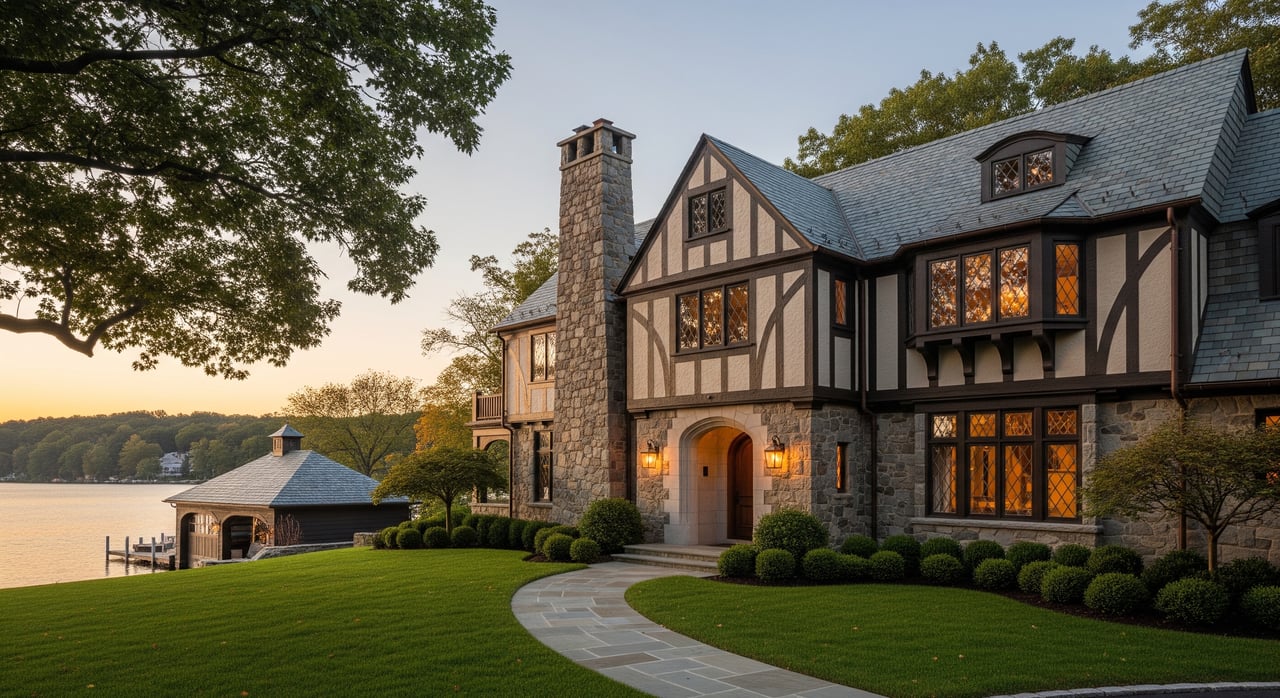
Mountain Lakes is a small borough with a planned residential park character and a network of lakes and open-space corridors. The housing stock ranges from early 20th-century homes to mid-century and newer renovations. You will see architectural variety, mature trees, and lots with unique topography, which all carry weight in value.
Because the town is small, the market has low turnover and limited active listings at any given time. That means statistics can be noisy. A single luxury closing or one long-days-on-market listing can skew a monthly median. You will get better insight by looking at rolling 3 to 12 month trends.
Why buyers choose Mountain Lakes
Residential park character
The original plan and maintained open-space corridors create curb appeal and a cohesive streetscape. Many buyers value walkability to lakes and parks, plus the look and feel of a consistent neighborhood fabric. Homes that align with that character tend to see stronger interest.
Nine lakes and amenities
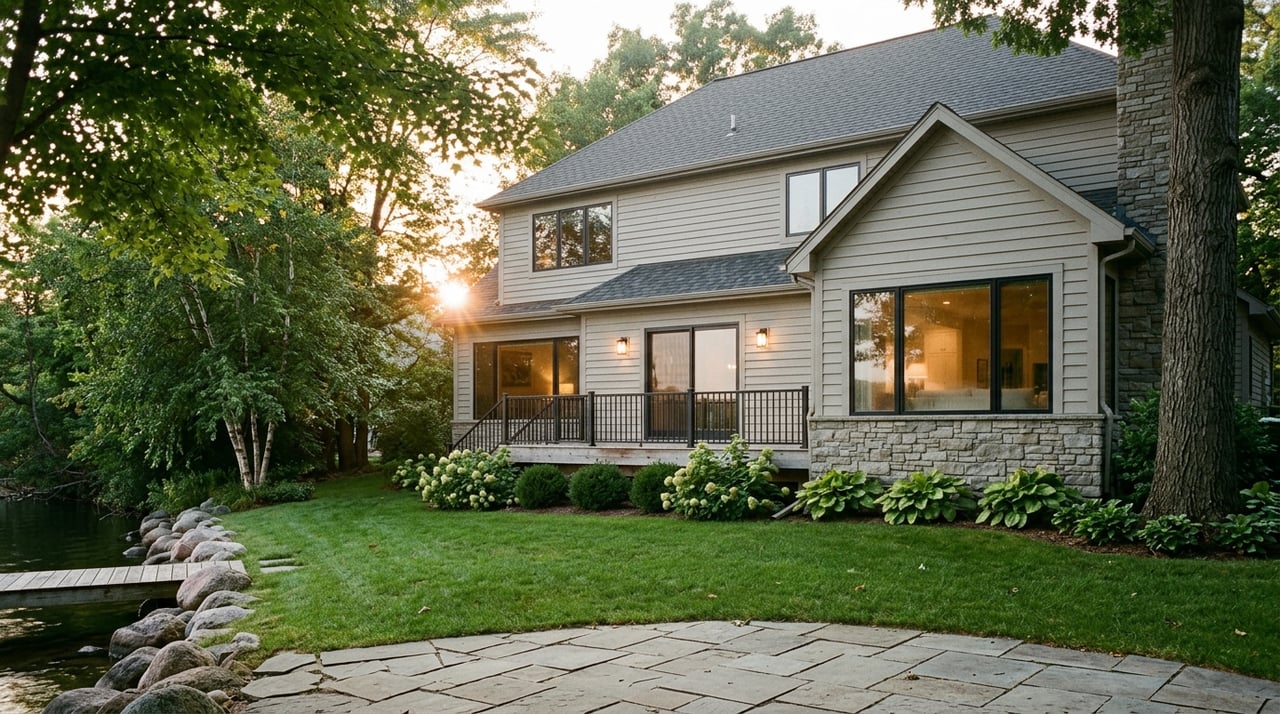
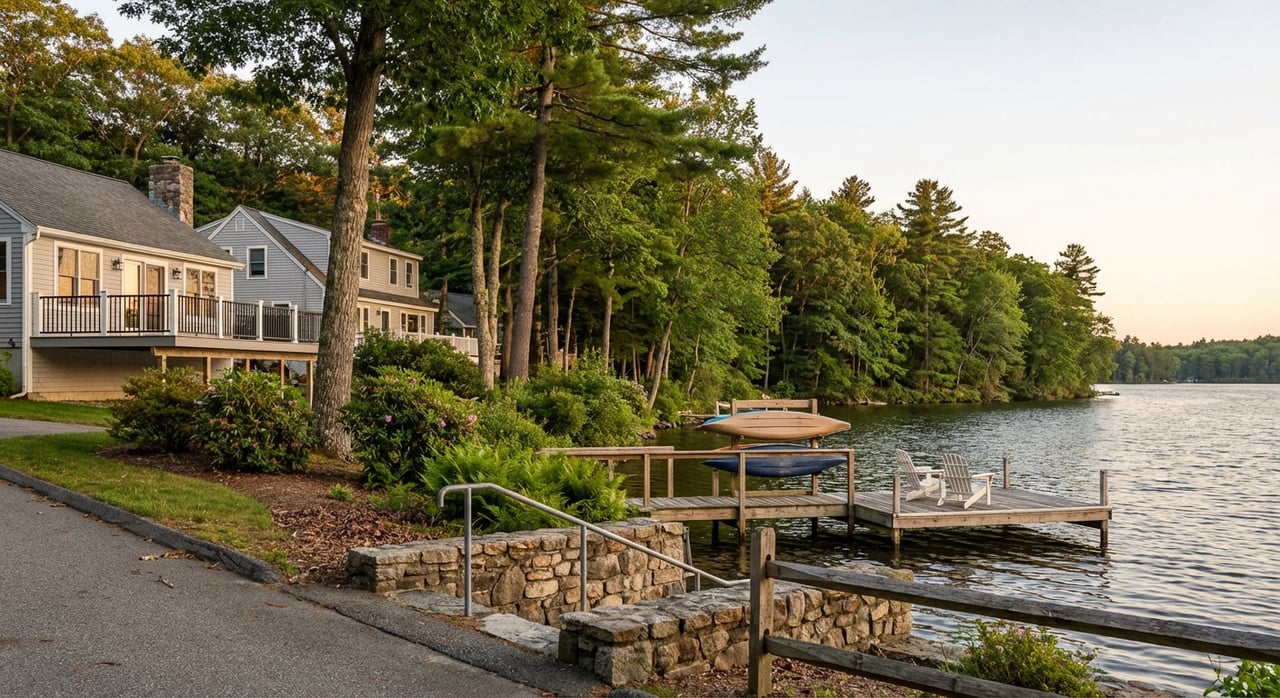
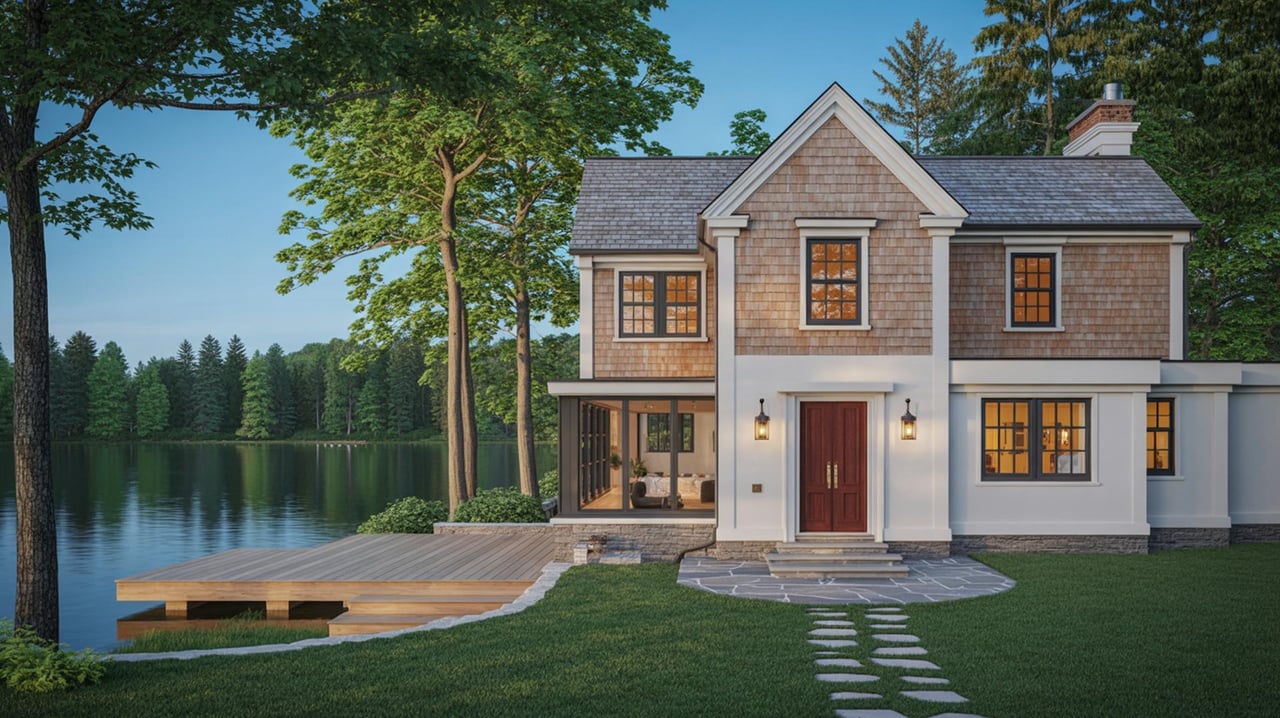
Lakes deliver direct lifestyle benefits like views, boating, and swimming. Some properties offer private shoreline and potential dock or boathouse options, while others sit nearby with views or short walks to the water. Understanding access rights, shoreline stability, and association rules is key to valuation and risk.
Commute access
Mountain Lakes offers access to regional highways and commuter rail within a short drive, with routes to Morris County job centers and New York City. Buyers who prioritize commute time will weigh proximity to stations and major roads. That convenience can influence price and competition.
Architecture and lot features
Architecture, lot size, orientation, and outdoor living space matter more here than in many larger suburbs. Topography, tree cover, and privacy can add value. Renovation potential and the ability to expand often command a premium where zoning allows.
Schools and municipal services
Strong local services and schools are typical demand drivers in small suburban boroughs. If a school is important to your decision, review the most current reports and confirm attendance zones. School-driven demand often intensifies competition in certain price segments.
Regulatory and environmental factors
Shoreline setback rules, conservation easements, and permit requirements affect what you can build or repair near the water. Floodplain history and stormwater management can influence insurance and buyer comfort. If you are evaluating a lakefront property, build these checks into your due diligence.
How to read market signals
Inventory
Inventory is simply the number of active listings. In Mountain Lakes, the absolute count matters more than the percent change. A jump of even 10 listings is meaningful. Pair inventory with recent closed sales to see balance: low inventory plus steady demand usually favors sellers.
Absorption rate and months of supply
Absorption rate compares monthly sales to active listings. Months of supply is the inverse. Under 6 months often signals a seller advantage. Above 6 to 9 months can point to a shift toward buyers. Use rolling 3 to 12 month periods to smooth volatility.
Days on market (DOM)
DOM tracks time from list to contract. Focus on rolling medians and compare by price band and lake vs non-lake. Short median DOM combined with strong list-to-sale ratios signals healthy demand. One slow luxury listing can skew an average, so medians beat averages here.
List-to-sale price ratio
This ratio shows how close the final sale is to the last list price. Entry and mid-tier homes in tight conditions often sell close to or above list. Upper-tier and specialized lakefront homes may take longer and negotiate more unless they are exceptionally scarce and well positioned.
Prices and price per square foot
Use median sale price for a clearer center point in a small, skewed dataset. For property-to-property comparisons, price per square foot can help, but adjust for lot size, view quality, finish level, and age. Always segment by lakefront, near-lake, and non-lake.
Seasonality
Lake communities often see spring and early summer listing spikes and closing clusters. School-year timing also affects activity. When you read a monthly headline, ask whether seasonality or one unusual sale created the apparent swing.
Volatility check
Small sample sizes create noise. Look for trends that persist over several months and confirm with multiple indicators. A single month rarely tells the whole story.
Lakefront vs non-lake value
Segment the submarkets
- Direct waterfront with private shoreline
- Lake-view or near-lake with partial access or short walk
- Non-lake residential that still benefits from the park-like setting
Within each, segment again by price tier, lot size, and proximity to commuter routes or schools. This framework helps you compare apples to apples.
Valuation factors to weigh
- Waterfront premium. Direct shoreline and private docking typically command a premium. The size of that premium depends on shoreline quality, water rights, view, and maintenance needs.
- View and privacy. Broad water views and private outdoor space add value, even off the shore.
- Usable lot and shoreline condition. Erosion or required shoreline treatments can reduce value.
- Dock or boat rights. Clear, transferrable rights usually boost appeal and price.
- Functional age and updates. Older systems or dated kitchens and baths can pull value down relative to updated homes.
How to compare lakefront properties
Start with recent closed sales on similar waterfront parcels in Mountain Lakes or comparable nearby lake towns. Adjust for shoreline condition, dock or bulkhead, lot width and usable frontage, house size and updates, and view quality. If you lack perfect comps, use the best non-water comps and apply a reasoned waterfront adjustment, then document every assumption.
Two quick scenarios
- Lakefront example. A 3 bedroom, 2,000 square foot home with direct shoreline and a private dock markets to lifestyle-driven buyers. The price will be sensitive to the dock condition, shoreline stability, and the quality of the view. Specialized photography and season-aware marketing help.
- Near-lake example. A similar 3 bedroom home two blocks from the water draws a broader pool. Competition can be stronger at entry and mid tiers because buyers value schools, neighborhood character, and walkability along with the lake lifestyle.
Red flags to watch
- Shoreline encumbrances or recurring water-quality issues
- Strict association rules that limit typical lake uses for your goals
- Floodplain exposure or insurance complexity
- Road noise or limited parking near commuter nodes
- Deferred maintenance that requires major capital right away
Buyer playbook
Steps for smarter shopping
- Clarify your segment. Decide early if your priority is direct waterfront, near-lake access, or non-lake value with neighborhood benefits.
- Use rolling data. Focus on 3 to 12 month medians for DOM and prices rather than single-month swings.
- Verify rights and risks. Confirm water access rights, dock permissions, and any shoreline permits. Check for floodplain history and stormwater controls.
- Confirm commute and services. Test-drive access to stations and major routes at your actual commute times. Review current school reports if that matters to you.
- Prepare for timing. Inventory can pop in spring and early summer. Be ready with pre-approval and a plan for quick due diligence.
Due diligence checklist
- Shoreline condition, erosion, bulkhead or retaining needs
- Association rules and any lake-use limitations
- Age and status of major systems like roof, HVAC, septic or sewer
- Lot usability, topography, and tree management
- Recent comparable sales in the same submarket and tier
Seller playbook
Price and positioning
Segment your comps by lakefront, near-lake, and non-lake, then by size and tier. Use rolling medians to avoid chasing noisy month-to-month changes. If your property is waterfront, quantify the view, shoreline quality, and access rights in your pricing story.
Prepare the property
- Address obvious shoreline or safety issues that could stall a sale
- Service or document major systems and permits
- Refresh exterior spaces that showcase views and outdoor living
- Stage rooms that frame the water and capture light
Market the lifestyle
Lead with assets that matter locally. High-end photography, compelling property copy, and clear floorplans help buyers imagine life by the lake. Season-aware launch timing, video, and targeted distribution can expand your reach to lifestyle and relocation audiences.
Manage the process
Expect different showing patterns by tier. Entry and mid-tier homes may see faster activity. Upper-tier and specialized waterfront homes may benefit from longer runway and focused outreach. Keep an eye on inventory shifts and absorption while you are on market.
What to watch next
- Inventory levels by segment and price tier
- Months of supply on a rolling 3 to 12 month basis
- Median DOM by tier and lake vs non-lake
- Any borough zoning or shoreline rule changes that affect renovations or docks
- Environmental updates that influence shoreline stability or insurance
- School reports or enrollment changes that may shape segment demand
Work with a local specialist
In Mountain Lakes, small numbers tell big stories. The right strategy blends data with on-the-ground insight about shoreline, streetscape, and seasonality. If you are planning a move, partner with a local expert who understands lakefront, historic, and higher-end suburban homes, brings premium marketing to the table, and can navigate relocations and senior moves with care. To discuss your plans and get a custom pricing or search strategy, connect with Sueanne Sylvester.
FAQs
What makes the Mountain Lakes market feel volatile?
- The town is small, so one luxury sale or a handful of new listings can create big percentage swings. Use rolling 3 to 12 month trends to see true direction.
How should I evaluate a lakefront home in Mountain Lakes?
- Start with recent waterfront comps, then adjust for shoreline condition, view, dock rights, lot usability, and the home’s size and updates. Verify permits and any association rules.
Are lakefront homes harder to sell than non-lake homes?
- Not by default. They attract a narrower, lifestyle-focused pool and may need season-aware marketing, but strong condition and clear access rights support solid demand.
Why did the monthly median price jump or drop this year?
- In a small market, one high-end closing or an outlier listing can move the median. Confirm the sample size and check absorption and DOM before drawing conclusions.
When is the best time to list in Mountain Lakes?
- Spring and early summer often bring more listings and buyers, especially for lake lifestyle and school-year moves. Use current inventory and months of supply to fine-tune timing.


















![Spring Cleaning Checklist for Sellers [INFOGRAPHIC]](https://media-production.lp-cdn.com/cdn-cgi/image/format=auto,quality=85,fit=scale-down,width=1280/https://media-production.lp-cdn.com/media/ftjd2dbvsl20thkyykilflgj)

![Key Terms for Homebuyers [INFOGRAPHIC]](https://media-production.lp-cdn.com/cdn-cgi/image/format=auto,quality=85,fit=scale-down,width=1280/https://media-production.lp-cdn.com/media/j6fji95bja5w1782rpyoh4dw)