Is selling your Mountain Lakes classic both exciting and a little daunting? You want to honor its story, protect its character, and still capture top value. With the right plan, you can do all three while making the process clear and manageable. This guide walks you through how to verify historic status, price with confidence, prepare smartly, and market to the right buyers. Let’s dive in.
Confirm historic status and rules
Understanding your home’s designation is the first step. Historic recognition can shape what buyers can change, how long approvals take, and how you present the property.
Types of designation
- National Register of Historic Places listing recognizes a property’s significance. It does not control private owners, but it can relate to certain incentives if the property is used for income-producing purposes.
- New Jersey Register listing is managed by the New Jersey Historic Preservation Office. It confirms state-level recognition and may support research or incentive eligibility.
- Local designation or a historic district carries the most day-to-day impact. Exterior changes often require review by a municipal historic preservation commission under New Jersey’s Municipal Land Use Law.
How to verify quickly
- Check the National Register and the NJ Historic Preservation Office databases or contact NJHPO staff for confirmation.
- Call Mountain Lakes Borough offices, including Planning and Zoning or the Building Department, to ask if your address is in a local historic district or subject to design review.
- Review your deed and property records at the Morris County Clerk or Assessor to identify any preservation or conservation easements.
What this means for your sale
- If design review applies, buyers will ask what changes are allowed and what approvals they will need. Prepare a simple overview to share during showings.
- Any recorded easements or covenants transfer with the property and must be disclosed.
- If your home was built before 1978, federal law requires you to provide lead-based paint disclosures and the EPA/HUD pamphlet to buyers.
Price with precision, not guesswork
Historic homes do not carry a uniform premium. Your value depends on condition, rarity, and how well the home’s original features remain intact.
What drives value in Mountain Lakes
- Condition and integrity. Well-maintained millwork, original doors, fireplaces, leaded or unique windows, and period tile increase appeal.
- Architectural significance. A known architect or rare style can matter, but it must be supported by documentation.
- Location and lot attributes. Water views, mature setting, and street presence help, along with updated kitchens, baths, and mechanicals.
- Restrictions. Local design controls can preserve the streetscape and attract the right buyers, but they can also narrow the pool of buyers who want major alterations.
Strong pricing process
- Use local comps from Mountain Lakes and nearby Morris County neighborhoods with similar age, style, and lot size. Adjust for features like a slate roof, stonework, or original hardware.
- Consider two scenarios. Present a target price for a home with no major deferred work and a separate “as-is” range if significant restoration remains.
- Identify likely buyer segments. Preservation-minded buyers may pay more for authenticity. Investors or renovators may use financing that supports improvements.
Prep with preservation-minded inspections
Proactive inspections reduce surprises, widen the financing pool, and build buyer confidence.
Essential inspections
- Structural and foundation assessment, especially if you have stone or brick piers.
- Roof review for slate, wood shake, or other specialty materials.
- Electrical, plumbing, heating, and chimney evaluations. Look for knob-and-tube wiring, galvanized pipes, or aging systems.
- Hazard checks for lead-based paint, asbestos in older materials, and mold or indoor air quality.
- Pest inspection for termites and other wood-destroying organisms.
- A historic materials specialist to assess windows, siding, and decorative masonry.
Prioritize the right fixes
- Address safety and code issues first. Electrical hazards, HVAC failures, and structural concerns can stall appraisals and loans.
- Tackle visible deferred items that hurt photos and showings, such as peeling exterior paint, a sagging porch, or broken panes.
- Use contractors experienced with historic materials when repairing sash windows, millwork, or masonry to protect authenticity.
- Create a repairs summary for buyers that lists what you fixed, by whom, and includes receipts or warranties.
Balance preservation and modernization
- Focus on sensitive upgrades that improve comfort without hurting character. Examples include insulating attics, adding well-fitted storm windows, and upgrading HVAC.
- Think twice before replacing original doors, windows, or trim. Full replacement can reduce value for authenticity-focused buyers. Document any unavoidable replacements.
Stage to showcase character
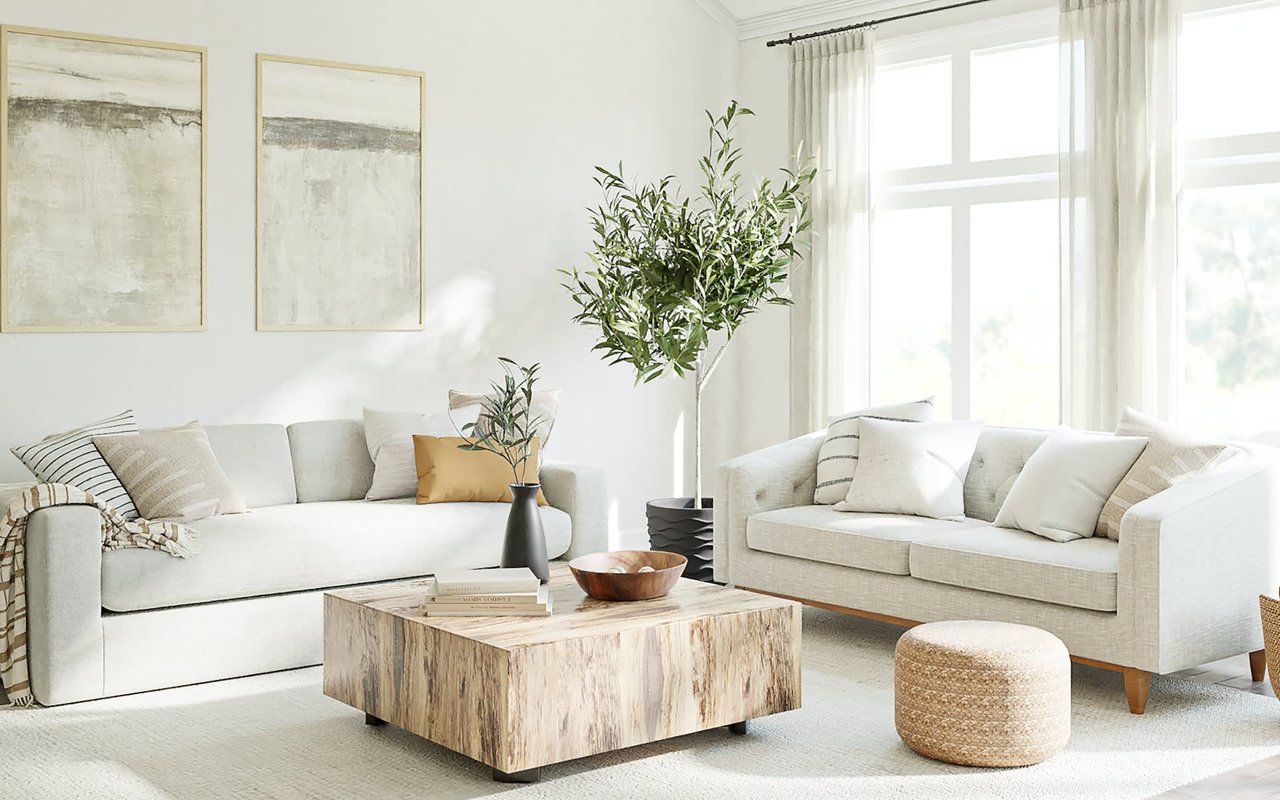
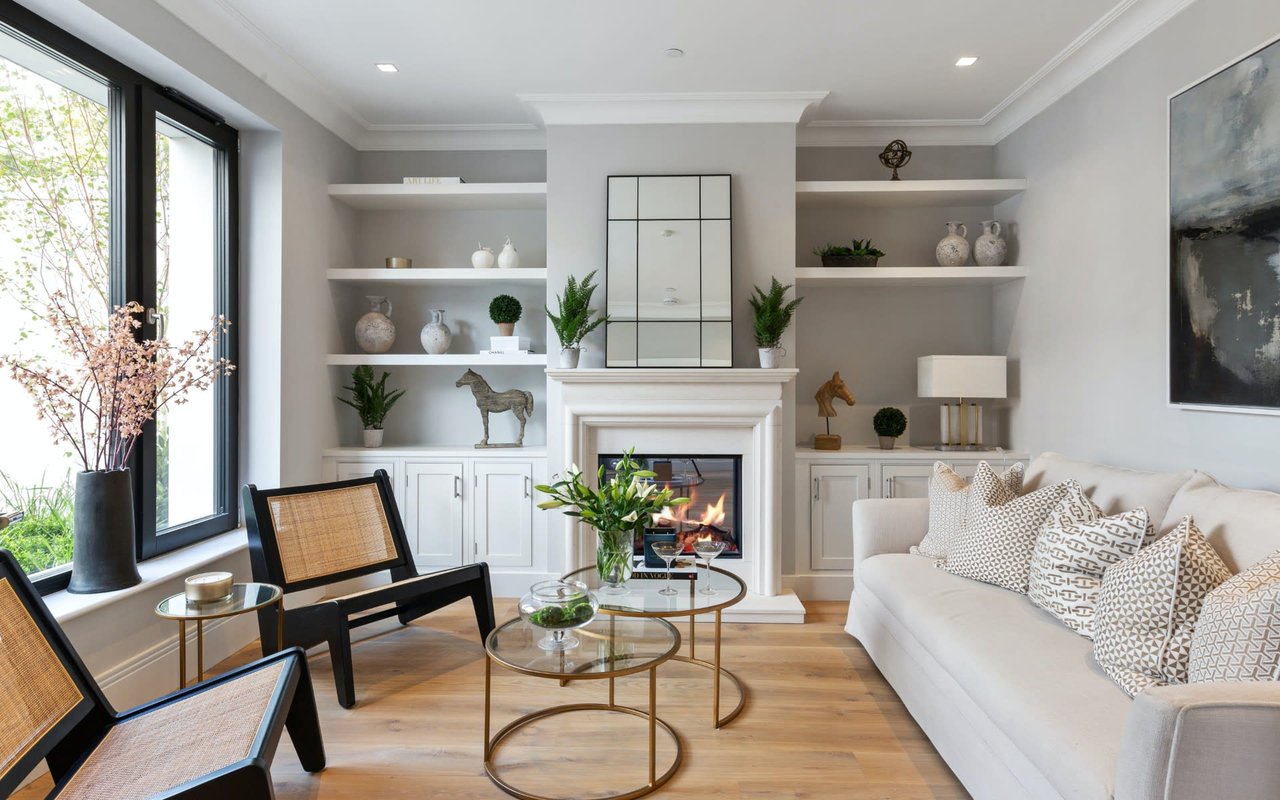
- Highlight original features with warm, uncluttered staging. A professional plan that respects the era often outperforms generic modern staging.
- Use neutral palettes and scale-appropriate furnishings so details like moldings, fireplaces, and built-ins take center stage.
Build a documentation and story packet
A compelling, factual narrative helps buyers see the stewardship behind your home and supports your price.
Marketing assets to prepare
- Professional photography that captures architectural details and the setting, including lake views if applicable.
- Accurate floor plans and room dimensions. Consider 3D tours to reach out-of-area buyers.
- A concise “heritage highlights” sheet that notes what is original, what is restored, and care expectations for specialty materials.
Archival and condition records
- Gather old photos, original plans, notable permits, and any restoration records. Local historical society archives or the library can be useful sources.
- Compile inspection reports, lead disclosures, receipts for major work, and any municipal approvals or easements into a clean buyer packet.
Reach the right buyers
You will attract stronger offers when your marketing meets buyers where they are and speaks to what they value.
Buyer profiles to target
- Preservation-minded owner-occupants who prize authenticity.
- Buyers who want historic character with modern systems and convenience.
- Investors or remodelers who plan to use renovation financing for improvements.
Outreach and positioning
- Use MLS remarks to highlight original features, restoration quality, and any documented provenance.
- Share your heritage highlights and approvals information to reduce uncertainty.
- Consider outreach to local historical societies and preservation groups to reach niche audiences interested in historic homes.
Financing, appraisals, and terms
Anticipating financing and appraisal issues helps you negotiate with confidence and keep the deal on track.
Appraisals and lender experience
- Unique features can challenge appraisals if recent comps lack similar elements. Aim for lenders and appraisers familiar with historic properties when possible.
- Provide documentation that supports value, including restoration receipts and materials details.
Renovation-friendly financing
- Buyers may use FHA 203(k) or Fannie Mae HomeStyle Renovation loans to fund improvements.
- Some buyers will use personal renovation loans or cash to streamline the process. Terms that allow reasonable time for approvals can help both sides.
Incentives and tax credits
- The federal historic rehabilitation tax credit of 20 percent generally applies to certified historic structures used for income-producing purposes. It does not apply to owner-occupied single-family residences.
- New Jersey does not offer a single statewide residential historic rehabilitation tax credit comparable to some states. Check the New Jersey Historic Preservation Office and local governments for any current municipal or county programs.
Easements, title, insurance
- Confirm whether preservation or conservation easements are recorded on title. These run with the land and must be disclosed and delivered at closing.
- Gather title documents early to avoid surprises during attorney review.
- Historic materials like slate roofs and ornamental masonry can increase replacement cost. Having an estimate of typical homeowner insurance costs for similar homes helps set expectations.
Approvals and contingencies
- If buyers plan exterior work that needs historic commission review after closing, consider contract contingencies or timelines that allow for the approval process.
A step-by-step sale plan with premium marketing
You deserve a process that respects your home’s legacy and maximizes exposure. Here is how a guided sale typically unfolds.
1) Discovery and valuation
- Confirm designation status and pull neighborhood-level comps tailored to age, style, and lot. Model “as-is” and “stabilized” scenarios so you see the full range.
- Align on your timeline, disclosure items, and any strategic pre-list repairs.
2) Preservation-minded preparation
- Coordinate inspections, safety fixes, and photo-ready touch-ups with specialists who understand historic materials.
- Produce a concise repairs summary and assemble your disclosure and heritage highlights packet.
3) Bespoke storytelling and assets
- Create custom property copy that tells the home’s story with care and accuracy.
- Commission professional photography, video, and 3D floor plans to capture details and flow.
4) Strategic distribution
- Launch with targeted digital and print placement to reach preservation-minded and lifestyle buyers.
- For high-end or lakefront properties, leverage Coldwell Banker Global Luxury distribution to access out-of-area interest.
5) Showings, feedback, and negotiation
- Share your documentation early to build trust and reduce objections.
- Navigate appraisal, financing, and approval timelines with clear communication and responsive problem solving.
You can sell a historic Mountain Lakes home with confidence when you pair meticulous preparation with premium marketing and a local, stewardship-first approach. If you are ready to discuss value, prep, and the best timing for your goals, reach out to Sueanne Sylvester for a conversation.
FAQs
How do I confirm if my Mountain Lakes home is officially historic?
- Check the National Register and NJ Historic Preservation Office listings, call Mountain Lakes Borough Planning and Zoning, and review deed records for any easements.
Will a local historic district limit my ability to sell?
- No, it does not prevent a sale, but exterior changes typically require local review, which buyers will want to understand upfront.
What inspections matter most before listing an older home in Mountain Lakes?
- Structural, roof, electrical, plumbing, HVAC, chimney, pest, and hazard checks for lead, asbestos, and mold, plus a review by a historic materials specialist.
How should I price a historic property in Mountain Lakes?
- Use local comps adjusted for age and features, account for restoration quality, and model both “as-is” and improved scenarios based on likely buyer segments.
Are there tax credits or grants for restoring a Mountain Lakes home?
- The federal 20 percent credit generally applies to income-producing historic properties; for current New Jersey or local programs, consult the NJ Historic Preservation Office and the municipality.
What disclosures are required for pre-1978 homes?
- Federal law requires a lead-based paint disclosure and the EPA/HUD pamphlet, along with disclosure of known hazards and any recorded easements or restrictions.
What financing do buyers use for historic homes that need work?
- Buyers often consider FHA 203(k) or Fannie Mae HomeStyle Renovation loans, personal renovation loans, or cash for faster timelines and fewer repairs contingencies.



![Spring Cleaning Checklist for Sellers [INFOGRAPHIC]](https://media-production.lp-cdn.com/cdn-cgi/image/format=auto,quality=85,fit=scale-down,width=1280/https://media-production.lp-cdn.com/media/ftjd2dbvsl20thkyykilflgj)
![Key Terms for Homebuyers [INFOGRAPHIC]](https://media-production.lp-cdn.com/cdn-cgi/image/format=auto,quality=85,fit=scale-down,width=1280/https://media-production.lp-cdn.com/media/j6fji95bja5w1782rpyoh4dw)