If your home search keeps circling the same question, you are not alone: should you live in Morristown or Morris Township if commuting is part of your weekly routine? It is an important choice because these neighboring areas can offer very different daily experiences, even though they share access to the same rail corridor. This guide breaks down what matters most for commuters, from train access and parking to housing style and everyday convenience, so you can choose the fit that works best for your lifestyle. Let’s dive in.
Morristown vs. Morris Township at a glance
Morristown and Morris Township were once part of the same municipality, with Morristown separating from the township in 1865. Today, Morristown functions as the compact downtown core, while Morris Township covers a much larger land area.
That difference shows up clearly in how each place feels. ACS-based profiles show Morristown with 20,453 residents in 2.9 square miles, while Morris Township has 23,424 residents across 15.7 square miles. In practical terms, Morristown feels denser and more urban, while Morris Township feels more suburban and spread out.
For most buyers, this is not really a debate about which town has the better rail line. Both areas connect to NJ TRANSIT’s Morris & Essex Line. The real question is whether you want a walkable downtown commuting pattern or a more residential park-and-ride routine.
Train access is strong in both
Both Morristown Station and Convent Station serve commuters on NJ TRANSIT’s Morris & Essex Line. Morristown Station sits downtown at Lackawanna Place near Morris Street and Elm Street, while Convent Station is on Convent Road near Route 124.
Both stations offer commuter features that matter in day-to-day use. Morristown Station is listed as accessible and includes Wi-Fi, bike parking, and two parking lots. Convent Station includes bike racks or lockers and four station lots.
That means your rail access can work well from either side of the border. If train-line access is your main concern, both locations stay competitive.
Why exact schedules should not drive the choice
Train schedules can change over time. NJ TRANSIT issued Morris & Essex Line schedule changes effective May 31, 2026, so it is smarter to think about your commute in terms of station access, flexibility, and daily routine rather than one specific departure time.
If you are comparing homes, focus on how easily you can get to the station, where you expect to park, and whether you want backup transportation options. Those details often shape your experience more than the posted timetable.
Morristown stands out for walkability
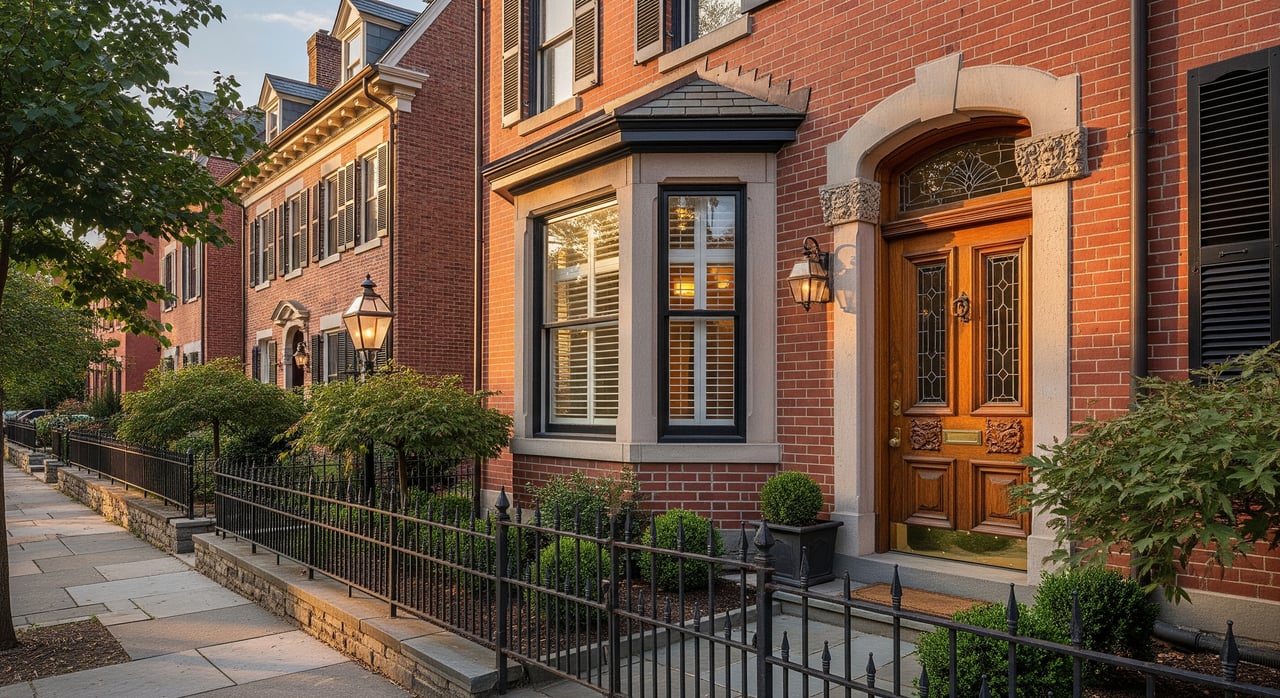
If you want to walk to more of your daily needs, Morristown has a clear edge. The town’s official site describes downtown condos and apartments that are walkable to downtown, and the overall layout supports a more foot-friendly lifestyle.
Downtown Morristown is centered on the Morristown Green and includes 141 restaurants, 20 bars, 9 coffee shops, a theater, a cinema, and more than 3,500 public parking spaces. The historic train station also sits beside the Lafayette Avenue garage, which adds another layer of convenience for commuters and visitors.
For many buyers, that means you can combine your commute, errands, dinner plans, and social plans in one trip. You may spend less time moving your car from place to place and more time enjoying the convenience of being close to everything.
Bus options add flexibility
Morristown also offers stronger bus access. Current NJ TRANSIT MyBus pages show Morristown-bound service on routes 871, 872, 873, 874, 875, and 880, with several stops at the rail station parking lot or nearby downtown streets.
That matters if you value backup options. Bus service can make commuting more flexible and can also help if your day includes a regional transfer, an alternate return trip, or a schedule change.
Morris Township fits a car-based commute better
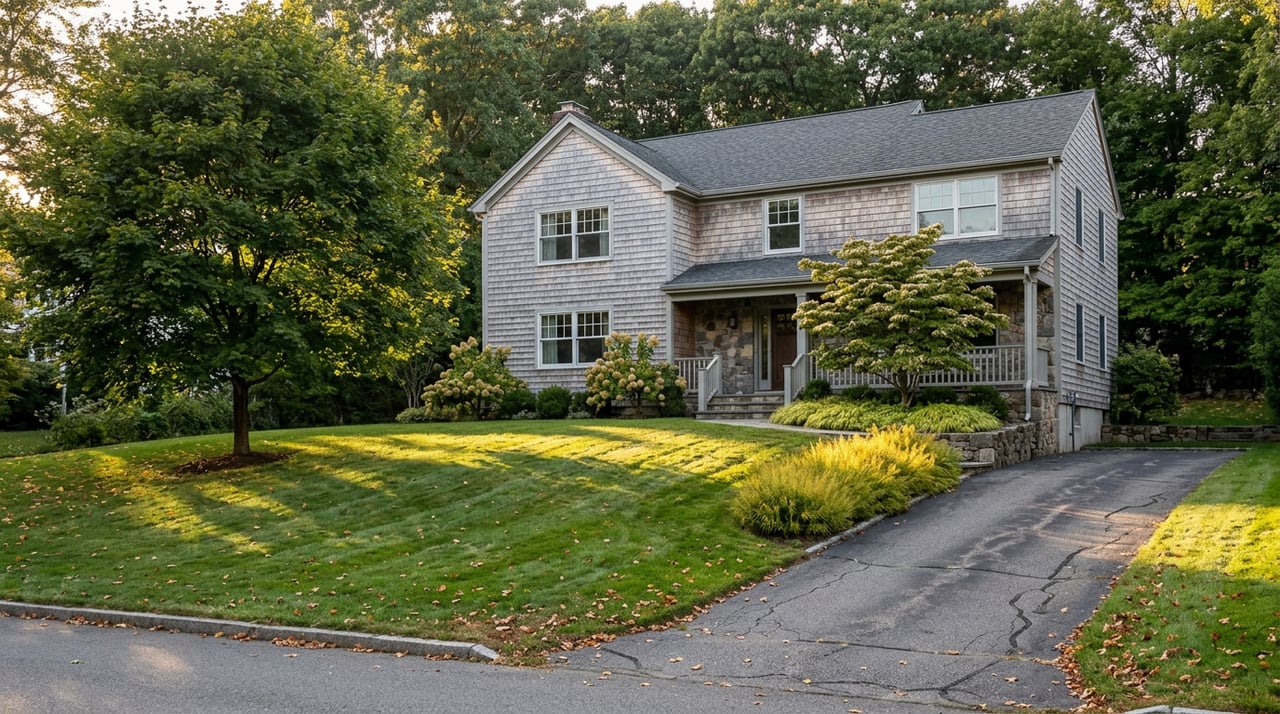
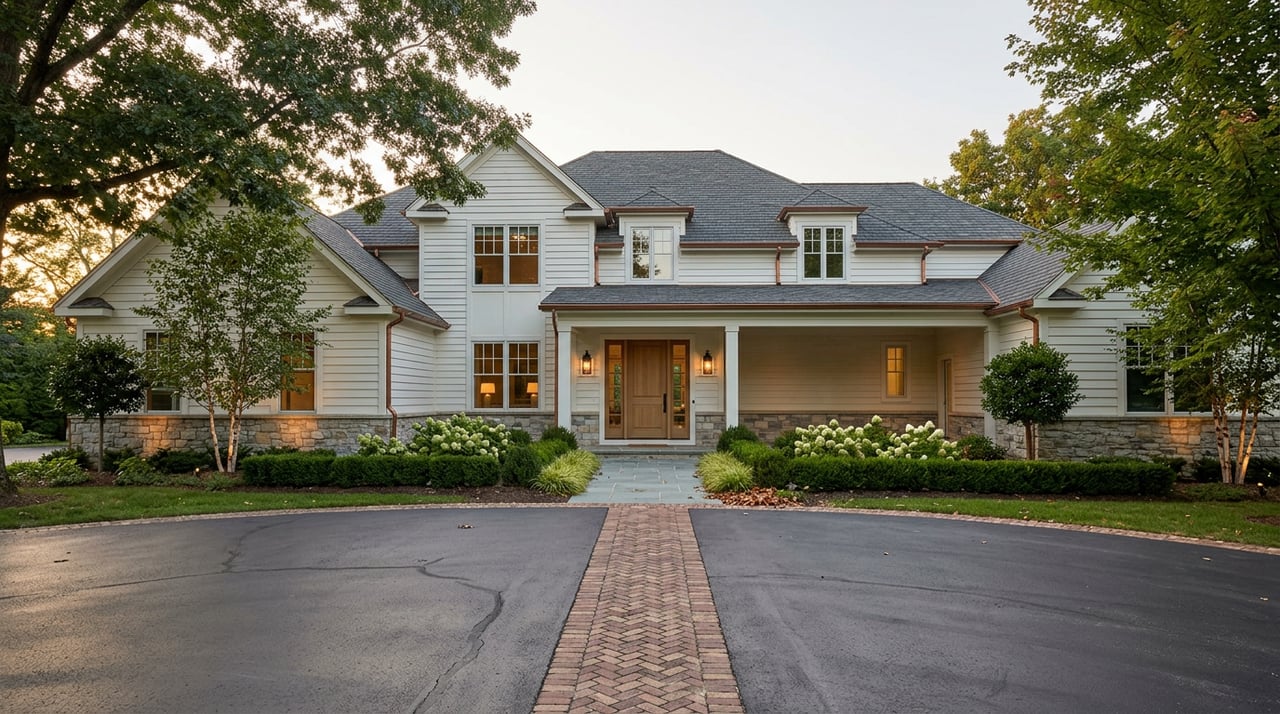
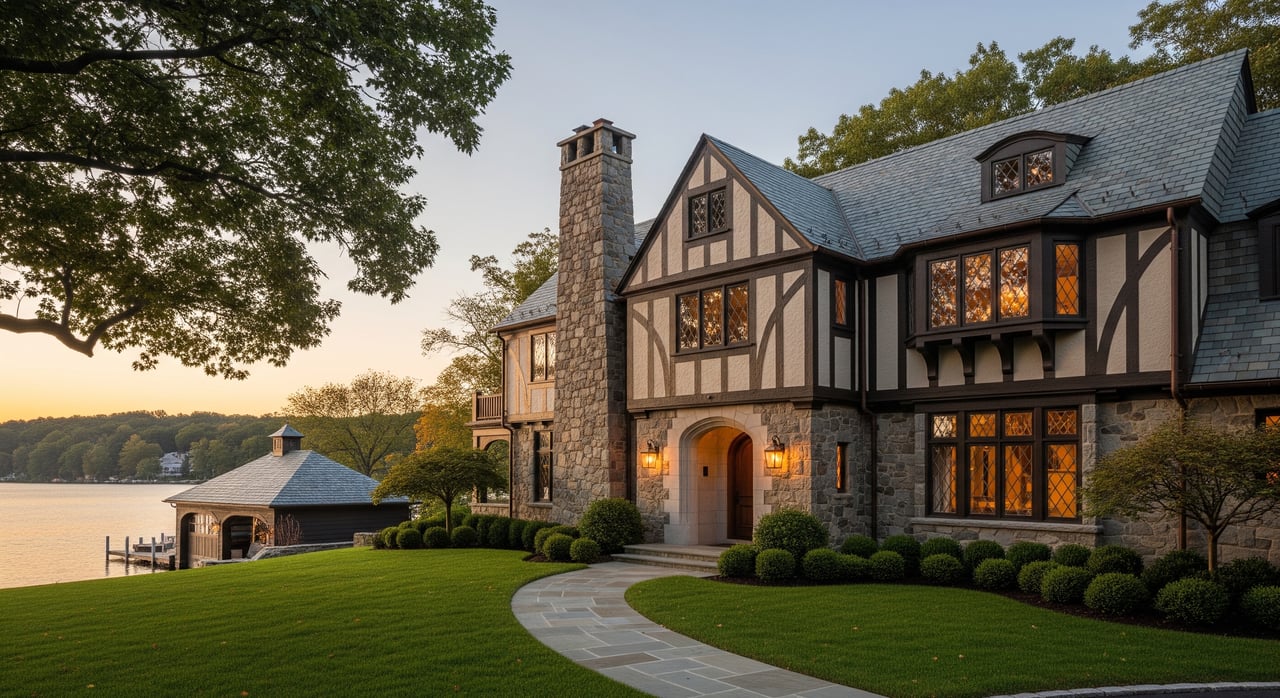
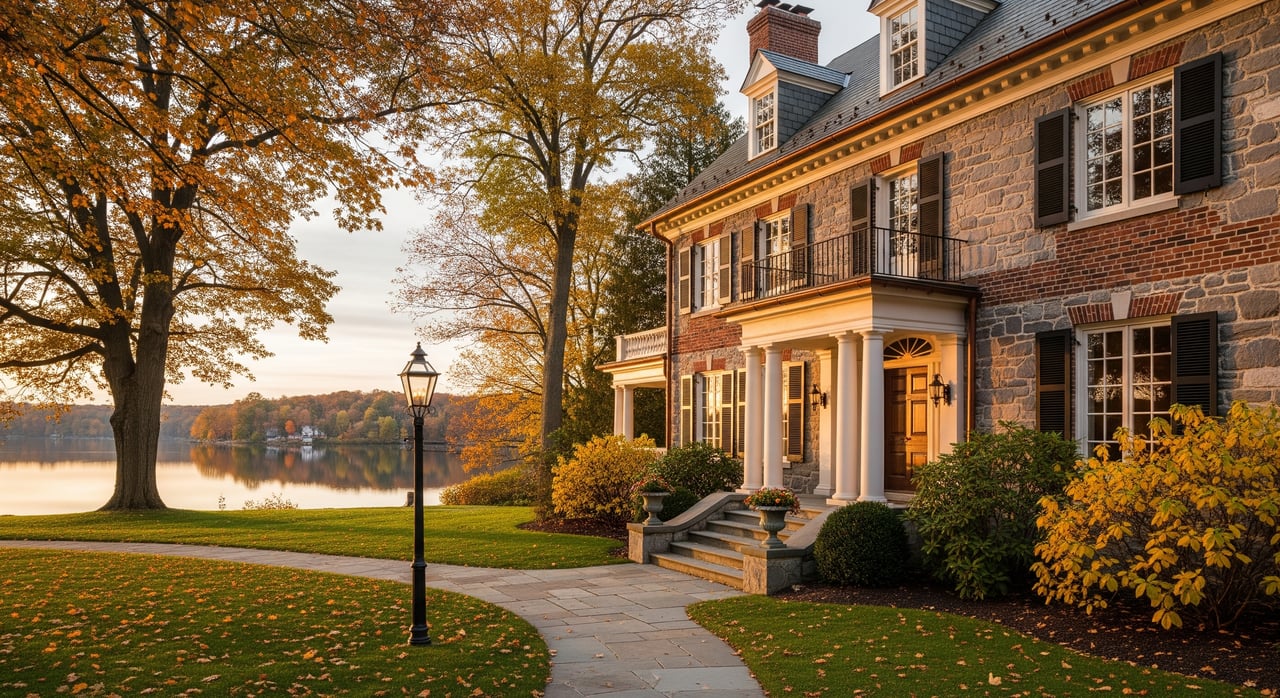
Morris Township may appeal more if you prefer a quieter, more suburban daily pattern and do not mind driving to the train. The township’s history describes the area as evolving from farms and estates into subdivisions, townhouses, garden-style apartments, and office complexes, while remaining known for mostly single-family detached dwellings and large estates.
That housing pattern naturally supports a more car-oriented routine. Instead of stepping out into a dense downtown, you are more likely to plan your day around driving, parking, and heading home to a more residential setting.
The township’s parks and recreation department also highlights park facilities and resident-focused programming. Paired with the township’s broader suburban layout, that points to a lifestyle that can feel more spacious and recreation-oriented than downtown Morristown.
Parking is built for park-and-ride users
Parking differences help show how each place supports commuters. Morristown Station lists Lot 1 with 60 spaces and Lot 2 with 407 spaces, with $7 daily or $120 monthly pricing shown on the station page.
Convent Station lists four lots with 269, 81, 115, and 125 spaces. The township’s Convent Station page notes that commuter permits are for railroad commuter use only and do not guarantee a space.
For some buyers, Convent Station’s lot setup fits a classic suburban commuter pattern well. If you expect to drive to the station most days, Morris Township can feel like a natural match.
Housing style may be the deciding factor
Your commute is only part of the equation. The type of home you want, and the price point that feels comfortable, may end up deciding which side makes more sense.
Morristown skews more toward mixed-use and multi-unit housing. ACS profile data shows 65% multi-unit housing and 63% renter-occupied units, with a median owner-occupied value of $567,600.
That mix can create more options for buyers looking for condos, apartments, or smaller-footprint homes near downtown. If your goal is to keep your commute simple and your maintenance lower, Morristown may offer a practical combination.
Morris Township trends in a different direction. Its ACS profile shows 86% single-unit housing and 86% owner-occupied units, with a median owner-occupied value of $765,100.
That higher value is consistent with the township’s more detached-home and larger-lot housing mix. If you are looking for a single-family home and are comfortable with a more suburban commuting pattern, Morris Township may line up better with your priorities.
Commute feel matters as much as commute time
When buyers compare two nearby communities, they often focus first on route maps and station names. But in real life, the feel of the commute can matter just as much as the official route.
ACS-based profiles show a mean travel time to work of 23.9 minutes in Morristown versus 29.2 minutes in Morris Township. This does not measure New York City commuting specifically, but it does align with Morristown’s denser, more transit-oriented setup.
That does not automatically make Morristown the right answer for everyone. A slightly longer commute may feel worth it if you prefer a detached home, more residential surroundings, and a daily rhythm that feels less downtown-focused.
Which one is better for you?
The best choice depends on what you want your weekdays to look like once you get home, and how much convenience you want built into the area around your station.
Choose Morristown if you want:
- Easier walk-to-station potential
- Stronger bus backup options
- A denser downtown setting
- More condos, apartments, and mixed-use housing
- The ability to combine errands, dining, and commuting in one area
Choose Morris Township if you want:
- More detached homes
- A more suburban feel
- A park-and-ride commuting routine
- A more car-oriented daily pattern
- A housing stock that trends more owner-occupied and single-unit
Neither option is universally better. They simply support different lifestyles.
The bottom line for commuters
If you want convenience, flexibility, and a more walkable routine, Morristown usually has the edge for commuters. If you want more detached-home options, a more suburban setting, and a drive-to-the-train pattern that feels familiar, Morris Township may be the stronger fit.
For many buyers, the smartest move is to compare not just commute maps but also housing style, parking habits, and how you want your day to feel before and after work. That kind of local, street-level comparison can make your decision much clearer.
If you are weighing Morristown against Morris Township, working with someone who knows how Morris County buyers balance commute, home style, and lifestyle fit can make the process much easier. For tailored guidance on your move, connect with Sueanne Sylvester.
FAQs
Is Morristown or Morris Township better for NJ TRANSIT commuters?
- Both offer access to NJ TRANSIT’s Morris & Essex Line, but Morristown is generally the better fit if you want walkability and bus backup options, while Morris Township is often a better fit if you prefer to drive and park.
Does Morris Township have its own train station for commuters?
- Yes. Convent Station is in Morris Township and serves the Morris & Essex Line, with multiple station parking lots and bike storage options.
Is Morristown more walkable than Morris Township for daily errands?
- Yes. Morristown’s downtown includes restaurants, coffee shops, entertainment, parking, and rail access in a more compact setting, which supports a more walkable daily routine.
Are home prices higher in Morris Township than Morristown?
- Based on ACS profile data cited in the research, the median owner-occupied home value is higher in Morris Township than in Morristown.
Should buyers choose Morristown or Morris Township based on train times alone?
- No. Since both areas use the same rail corridor and schedules can change, it is usually more helpful to compare walkability, parking, housing style, and overall daily routine.







![Spring Cleaning Checklist for Sellers [INFOGRAPHIC]](https://media-production.lp-cdn.com/cdn-cgi/image/format=auto,quality=85,fit=scale-down,width=1280/https://media-production.lp-cdn.com/media/ftjd2dbvsl20thkyykilflgj)

![Key Terms for Homebuyers [INFOGRAPHIC]](https://media-production.lp-cdn.com/cdn-cgi/image/format=auto,quality=85,fit=scale-down,width=1280/https://media-production.lp-cdn.com/media/j6fji95bja5w1782rpyoh4dw)