Selling a Victorian or historic home in Boonton is not the same as selling a newer house down the street. Buyers are not just looking at square footage or finishes. They are also responding to craftsmanship, architectural detail, and the story your home tells. If you want to protect that value and present your property well, it helps to understand how Boonton’s preservation culture, local review process, and market context can shape your sale. Let’s dive in.
Why Boonton’s history matters
Boonton has a deep preservation culture, and that can work in your favor when you sell. The town’s Historic Preservation Commission helps maintain Boonton’s historic character, while the Boonton Historical Society preserves and shares local history that reaches back to the mid-1700s. Boonton Main Street also supports restoration and upkeep in the historic downtown area.
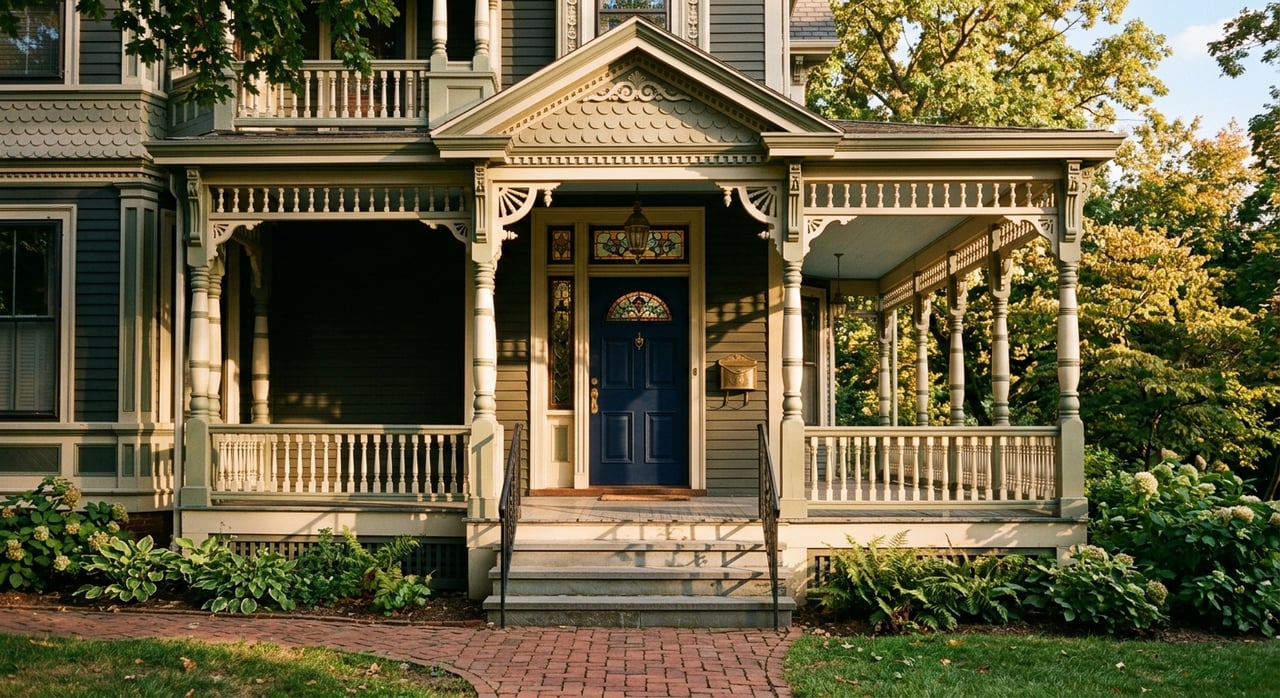
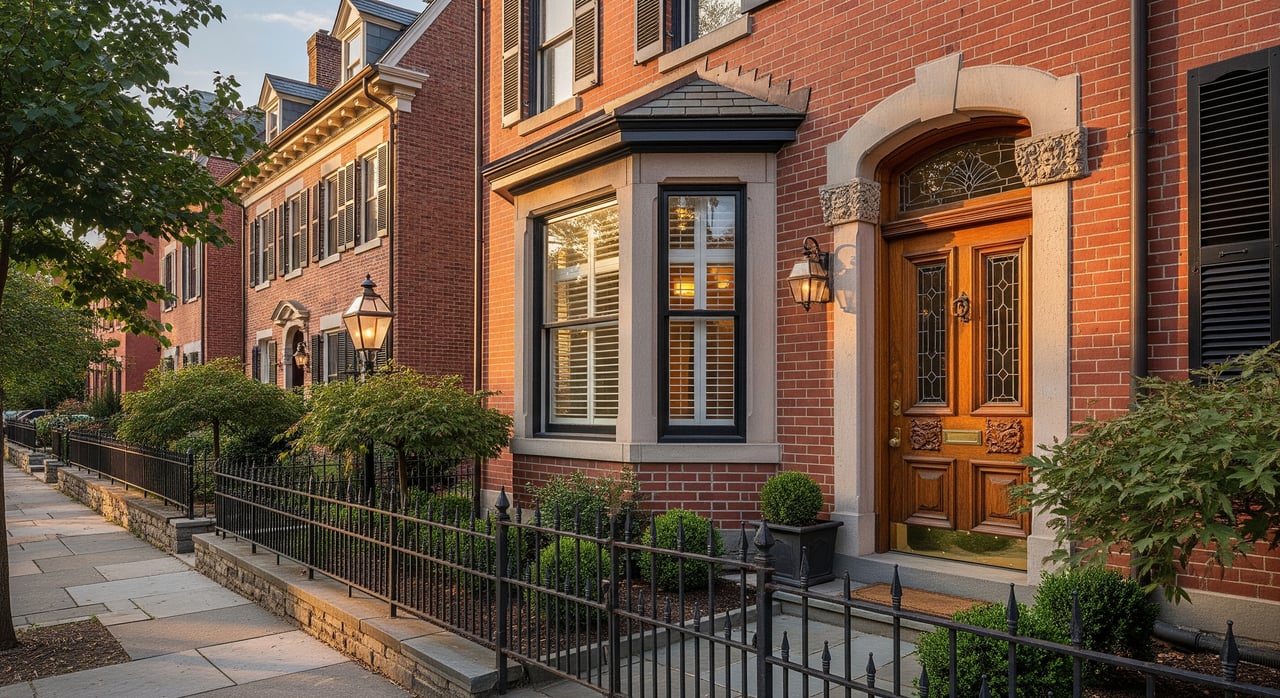
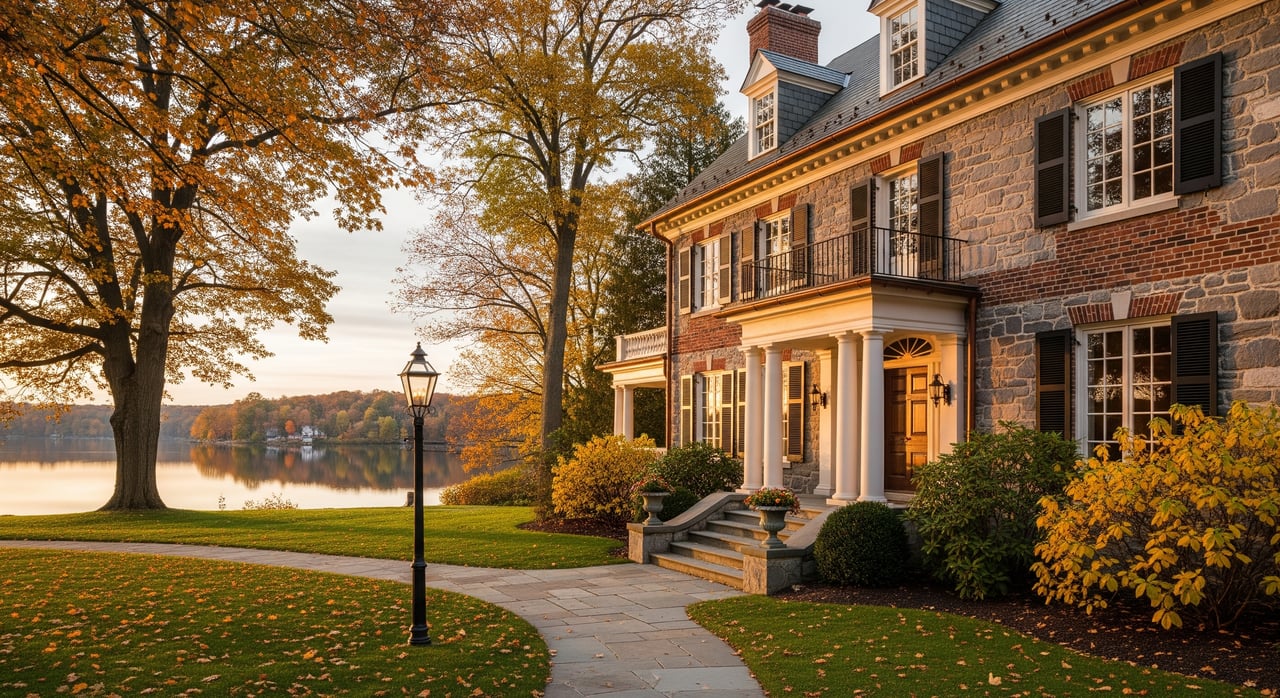
For you as a seller, that means period details are not just nice extras. They can be positioned as part of Boonton’s civic identity and historic streetscape. A Victorian porch, original trim, old wood floors, or intact windows may help buyers see your home as a place with character and continuity.
Build a strong property story
Historic homes often sell best when the listing tells a clear story of stewardship. Instead of presenting the house as simply “old,” you want to show what has been preserved, what has been improved, and how the home fits into Boonton’s architectural history.
A strong seller package can include:
- The home’s build date, if known
- Architectural style or period details
- Historic photos, if available
- Permit records for renovations or repairs
- Before-and-after photos of restoration work
- Invoices or notes for major updates
The National Park Service recommends researching a building’s history before rehabilitation because that history helps identify the features that carry significance. That guidance can also help you market the home with more clarity and credibility.
Preserve what buyers notice most
When preparing a Victorian or historic home for sale, it is easy to focus on what feels dated. But many of the features that make an older house stand out are exactly what buyers value.
According to the National Park Service, character-defining interior features can include floor plans, foyers, parlors, stair halls, mantels, millwork, plaster, doors, flooring, and finish details. These elements often create the emotional connection that newer homes cannot replicate.
That does not mean you should avoid practical improvements. It means updates should support the home’s usability without erasing the details that make it special.
Focus on rehabilitation, not erasure
The Secretary of the Interior’s Standards for Rehabilitation define rehabilitation as making a property usable through repair, alterations, and additions while preserving the features that convey its historic, cultural, or architectural value.
For sellers, that is a helpful lens. Buyers usually respond well when a home feels functional and cared for, but still authentic. A thoughtful kitchen refresh, repaired plaster, or upgraded systems can support value without stripping away original character.
Avoid changes that flatten character
Some pre-sale projects can do more harm than good. The National Park Service warns against changes like subdividing signature rooms or adding dropped ceilings below ornate ceilings because they can obscure or destroy important historic spaces and finishes.
If you are deciding what to do before listing, think carefully before removing original details just to make the home feel more modern. In many cases, preserving the right features creates a stronger market position.
Treat original windows carefully
Windows are one of the biggest decision points in a historic home sale. Many sellers assume replacement is the obvious answer, but that is not always true.
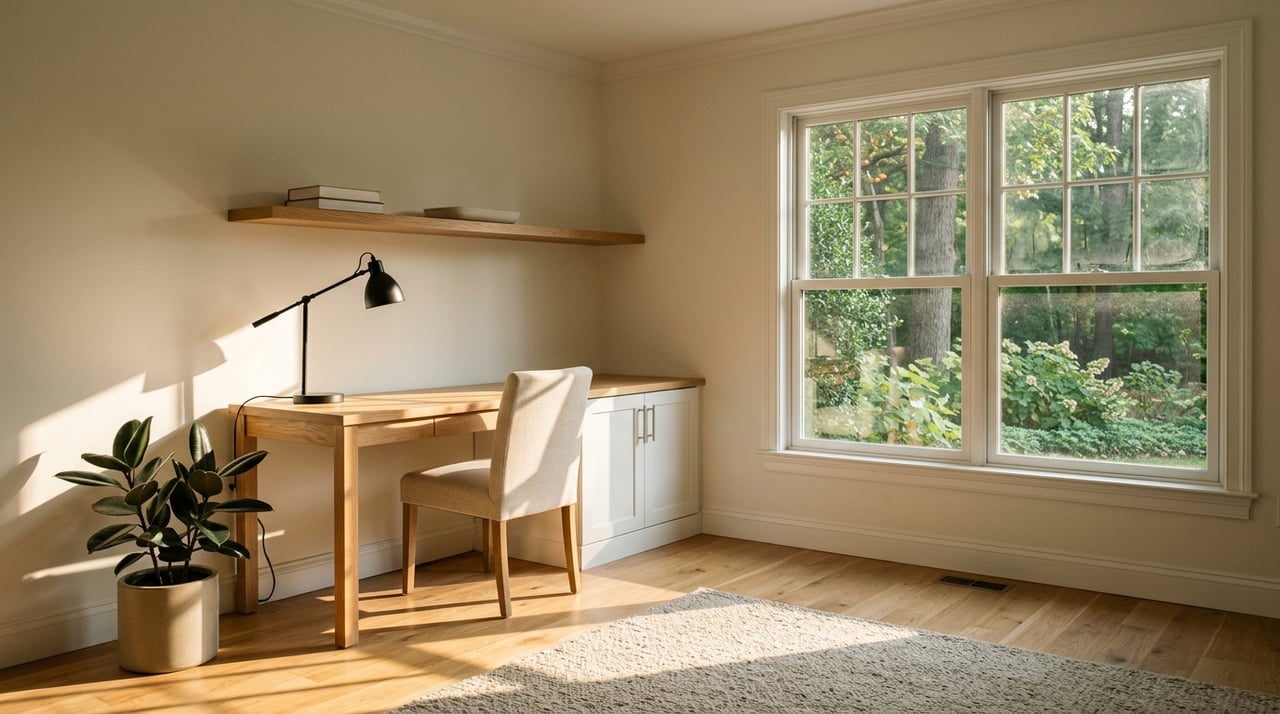
The National Park Service says historic windows should be repaired when possible. Their contribution to the building’s character matters, and weatherstripping or storm windows can often improve performance without full replacement.
If replacement becomes unavoidable, especially on highly visible elevations, the new windows should closely match the originals in material and appearance. Documentation also matters. The NPS recommends keeping detailed records of existing conditions and proposed changes when window replacement is considered.
For marketing purposes, original or properly restored windows can be a real selling point. They signal craftsmanship, authenticity, and care.
Keep records before you list
A documentation folder can make your sale smoother and more persuasive. It helps buyers understand what is original, what has been restored, and what has been upgraded over time.
Helpful items to gather include:
- Permit approvals
- Contractor invoices
- Photos of completed work
- Window drawings or specifications
- Before-and-after images
- Notes about materials used in restoration
This can also be useful if your property is in an area where historic-district work requires additional local review. Boonton notes that projects in a historic district or on a registered historic site may require extra steps.
Understand Boonton permit and review rules
One of the biggest mistakes sellers make is waiting too long to check whether prior or planned work may need review. In Boonton, timing can be affected by local preservation rules.
The town states that if your property is in a historic district or is a registered historic site, additional steps may apply. It also says that facade renovations requiring a building permit within historic districts must be reviewed and approved by the Historic Preservation Commission.
That does not mean selling will be difficult. It means preparation matters. If you are considering last-minute exterior work before listing, confirm early whether the project may trigger review.
Historic status does not stop a sale
Many owners worry that historic designation could make a transaction harder than it needs to be. The good news is that National Register listing does not change ownership, require public access, or by itself restrict a non-federal owner.
Local ordinances can still apply separately, so Boonton’s rules remain important. Still, historic status alone does not prevent you from selling your home.
Price with the market, not the tax bill
If you are trying to estimate value, be careful not to rely too heavily on the assessed value shown on your tax records. Boonton is currently undergoing a townwide property tax reassessment, and the town says current assessments reflect about 62% of today’s market value.
That is one reason recent comparable sales matter more than the tax figure alone. Public data also suggests a solid value environment. The Morris County municipal profile lists Boonton’s 2023 median housing value at $475,300, while the New Jersey Treasury reported Boonton Town’s 2024 average residential sales price at $596,088 across 76 sales. These are different measurements, but together they support a market conversation based on positioning and presentation, not discount pricing.
Prepare for appraisal questions
Historic homes do not always fit neatly into standard appraisal models. If your house has unusual architecture, a smaller pool of direct comparables, or a mix of restored and updated features, it may need more explanation than a newer home in a more uniform area.
Fannie Mae guidance on comparable sales allows appraisers to use older sales or properties from competing market areas when they are the best available options, as long as the reasoning is documented. Freddie Mac also notes that quality and condition are separate concepts, and that older homes often have components updated at different times, which can make condition harder to evaluate.
For you, that reinforces the value of clear records, strong property presentation, and a listing strategy that explains what makes your home distinctive.
Market the home as preserved and usable
The strongest message for a Boonton Victorian or historic home is usually not “perfectly untouched” or “fully modernized.” It is preserved and livable.
Buyers often want both character and practicality. They want to know which features are original, which have been restored, and which systems or spaces have been updated to support daily life. That balanced story aligns well with the preservation idea of rehabilitation, which is about continued use while protecting architectural value.
A thoughtful marketing plan can help bring that story to life through:
- Custom property copy
- Professional photography
- Video walkthroughs
- 3D floorplans
- Clear feature callouts for original details and thoughtful updates
When a historic home is marketed with care, buyers can better understand both its beauty and its function.
Sell with a strategy that respects the home
Selling a historic property often calls for more than a standard listing template. You need pricing grounded in the right comparables, preparation that respects the home’s architectural identity, and marketing that communicates why the property matters.
If you are thinking about selling a Victorian or historic home in Boonton, working with an agent who understands property storytelling, preparation, and premium presentation can make a real difference. To plan your next move, connect with Sueanne Sylvester for thoughtful guidance and a tailored strategy.
FAQs
Does historic status prevent selling a home in Boonton?
- No. The National Park Service says National Register listing does not change ownership, require public access, or by itself restrict a non-federal owner, though local Boonton rules may still apply.
Do Boonton historic district rules affect pre-sale renovations?
- Yes. Boonton says projects in a historic district or on a registered historic site may require additional steps, and facade work needing a building permit in historic districts must go through Historic Preservation Commission review.
Should you replace old windows before selling a historic home in Boonton?
- Not automatically. The National Park Service says historic windows should be repaired when possible, and if replacement is necessary on visible elevations, the new windows should closely match the originals.
What records help when selling a Victorian home in Boonton?
- Useful records include permits, invoices, historic photos, before-and-after images, and documentation showing what is original, restored, or updated.
How should you price a historic home in Boonton?
- Start with recent comparable sales rather than the tax assessment alone, because Boonton says current assessments are below today’s market value during the townwide reassessment.
What if there are few comparable sales for a historic Boonton house?
- Fannie Mae allows appraisers to use older sales or homes from competing market areas when they are the best available comparables, as long as the analysis is documented.






![Spring Cleaning Checklist for Sellers [INFOGRAPHIC]](https://media-production.lp-cdn.com/cdn-cgi/image/format=auto,quality=85,fit=scale-down,width=1280/https://media-production.lp-cdn.com/media/ftjd2dbvsl20thkyykilflgj)

![Key Terms for Homebuyers [INFOGRAPHIC]](https://media-production.lp-cdn.com/cdn-cgi/image/format=auto,quality=85,fit=scale-down,width=1280/https://media-production.lp-cdn.com/media/j6fji95bja5w1782rpyoh4dw)