Trying to choose between a newer home and a classic house in Hanover? You are not alone. Many buyers in Hanover, especially those planning a move within Morris County or relocating into the area, find themselves weighing easier upkeep against lot size, charm, and long-term flexibility. The good news is that Hanover offers both, and each comes with a distinct lifestyle fit. Let’s dive in.
Hanover’s Housing Mix
Hanover Township, including Cedar Knolls and Whippany, has a relatively stable housing base. Township and Census data show a community of close to 14,000 residents, with 79.0% of housing units owner-occupied and 93.2% of residents living in the same house one year earlier.
That stability matters when you are shopping for a home. It often points to an established community feel, a housing stock that changes more gradually, and a market where buyers may need to be clear about priorities from the start.
The township’s 2025 housing plan also helps explain what you are likely to see. About 65.8% of housing units are single-family detached, 12.0% are single-family attached, and 69% of all units have at least three bedrooms.
Age is another key part of the story. The same plan says 47% of Hanover housing was built before 1980, while about 20% was built in 2000 or later. The 2023 ACS estimate for median owner-occupied value was $619,800.
Newer Homes in Hanover
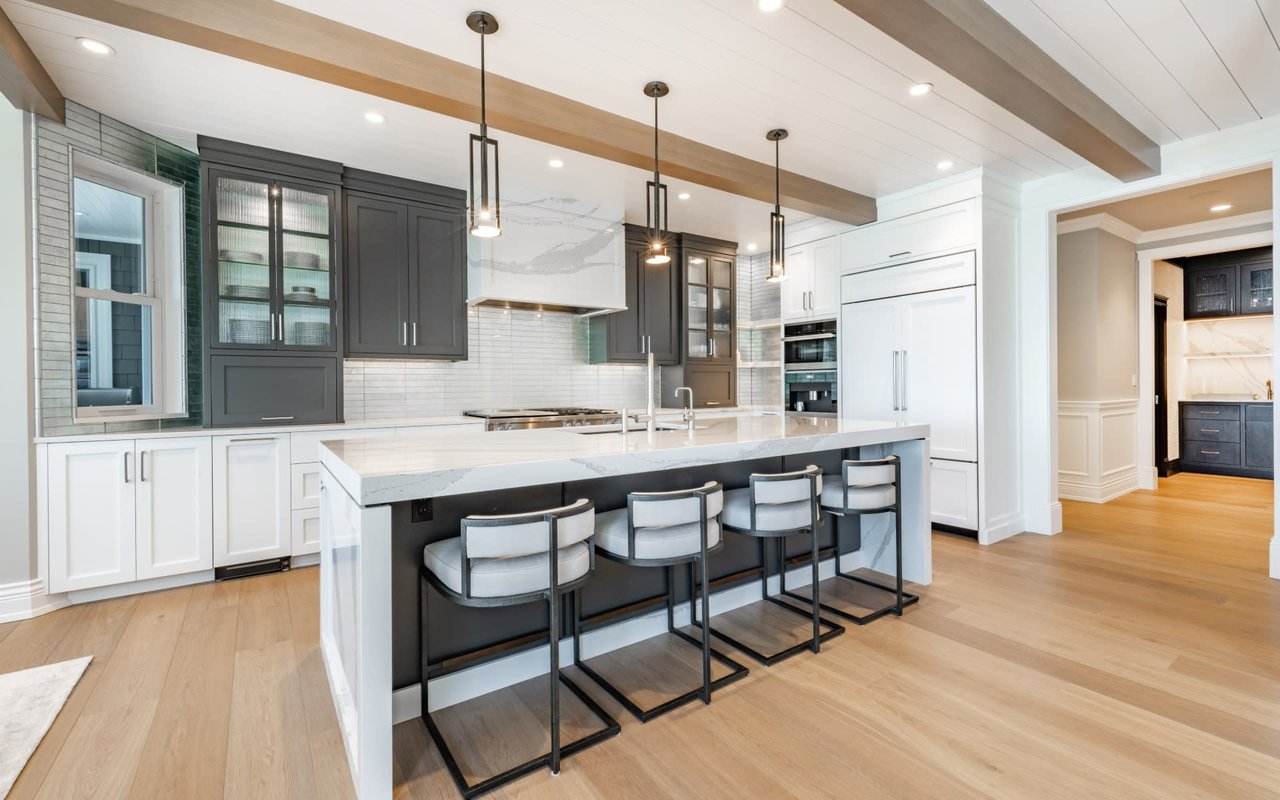
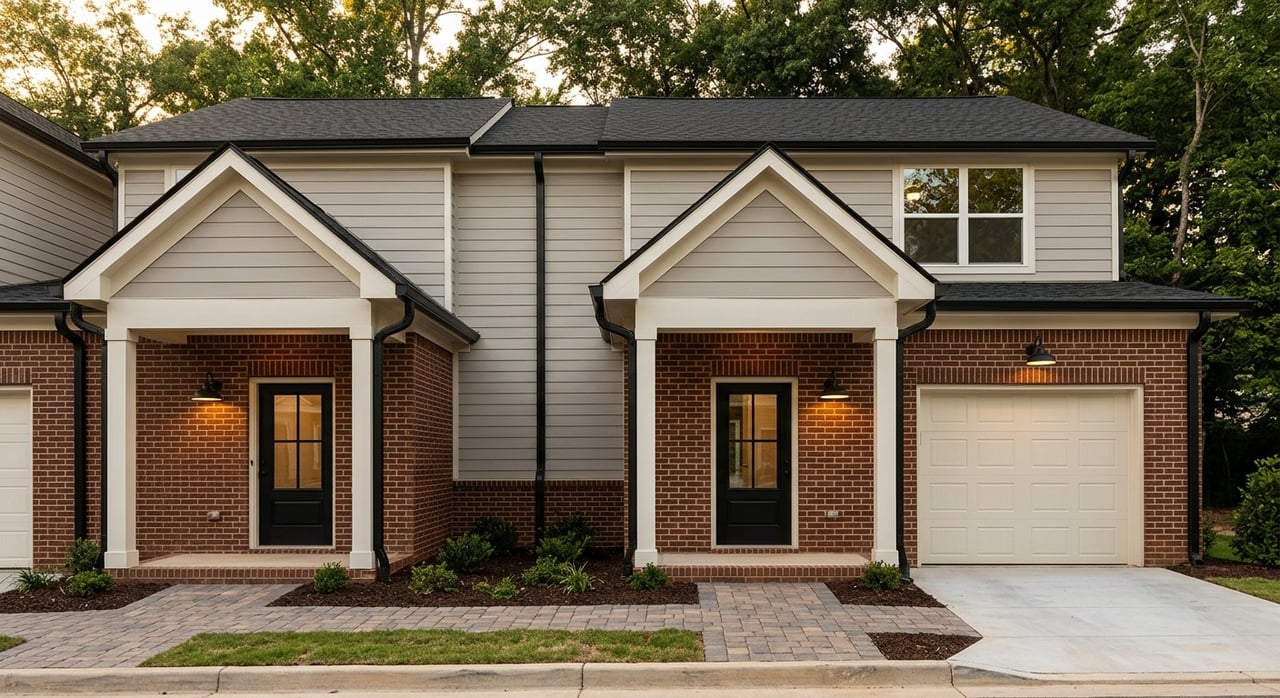
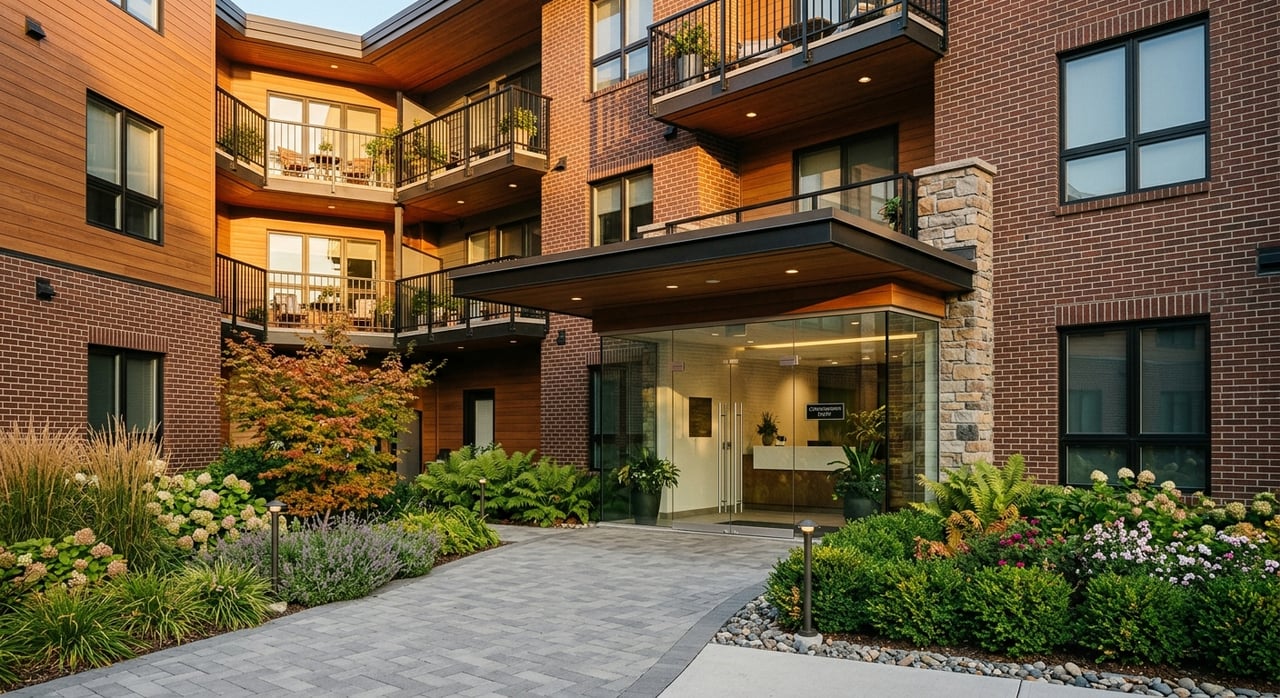
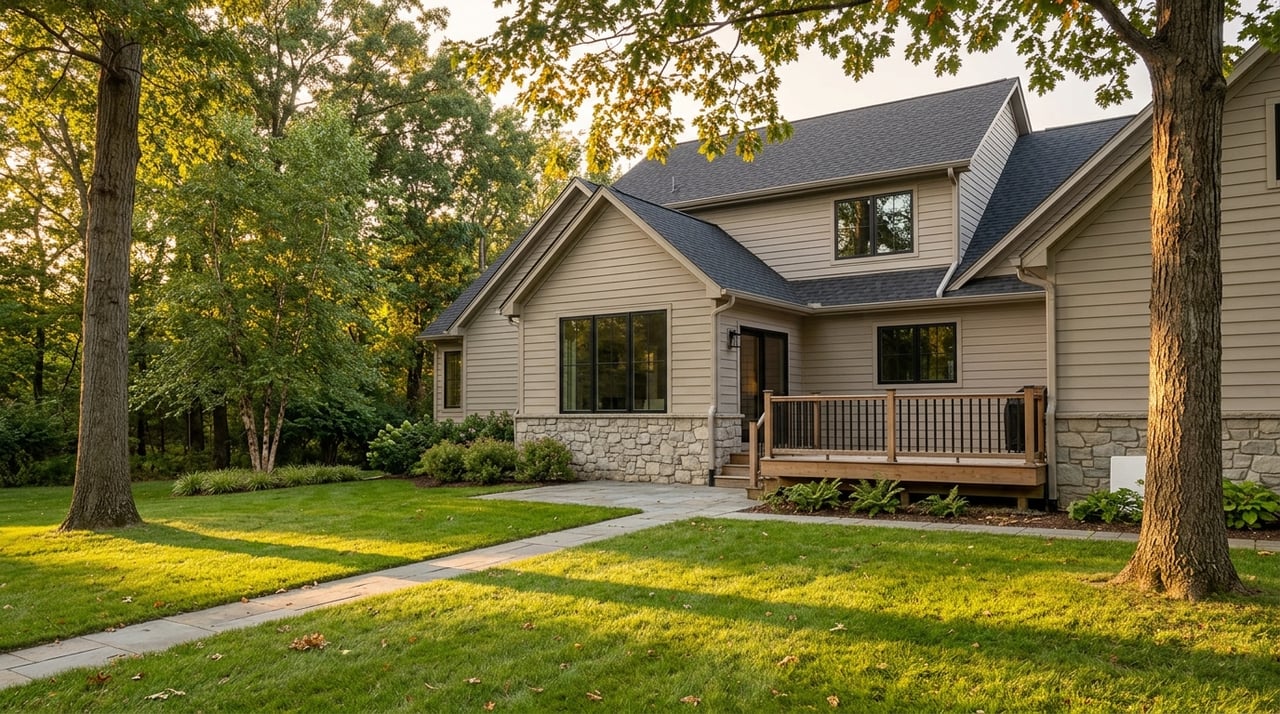
In Hanover, “newer” often means attached housing, community-style living, or homes built in the late 1980s through early 2000s rather than large brand-new single-family subdivisions. That is important because the local inventory does not always match what buyers picture when they hear the phrase new construction.
The township identifies non-age-restricted condominium communities at Eden Lane/Boxwood Court, Hanover Hills/Vista Drive, Oak Ridge/Whippanong Way, and Sunrise at Hanover/Sunrise Drive. Its project archive shows these communities were completed in 1988, 1993, 1994, and 1996, with Sterling Parc added in 2002.
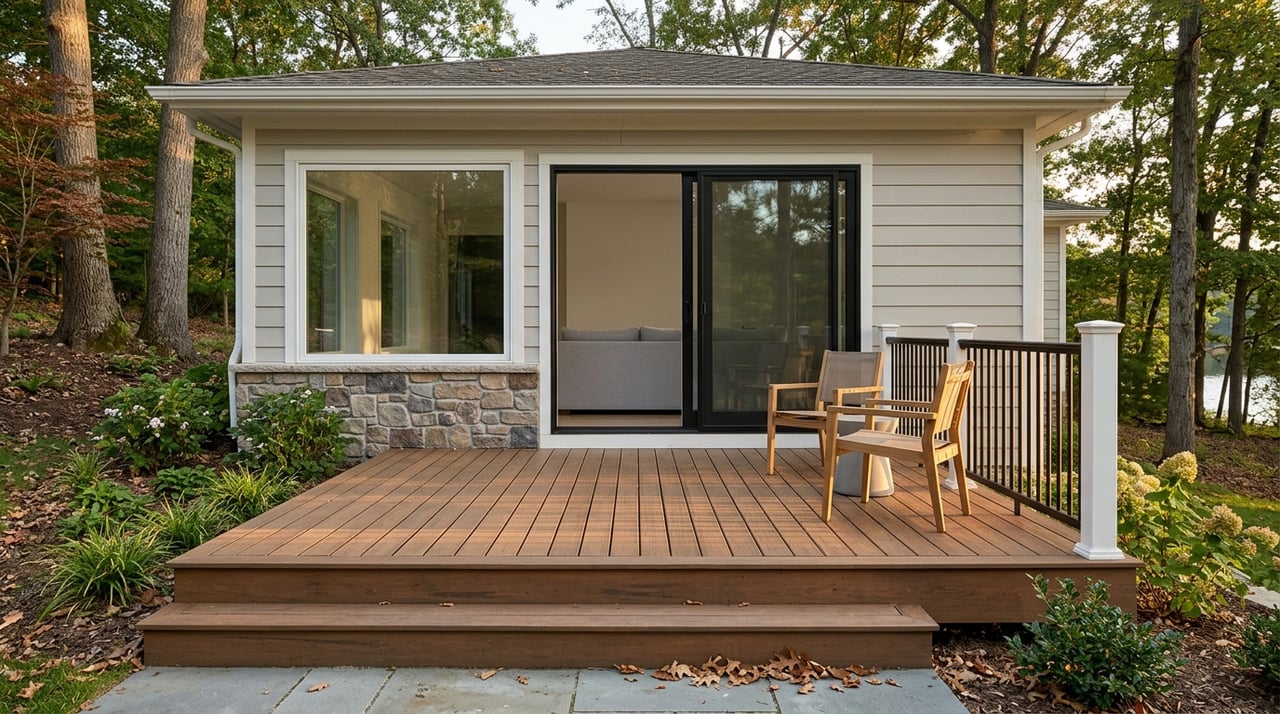
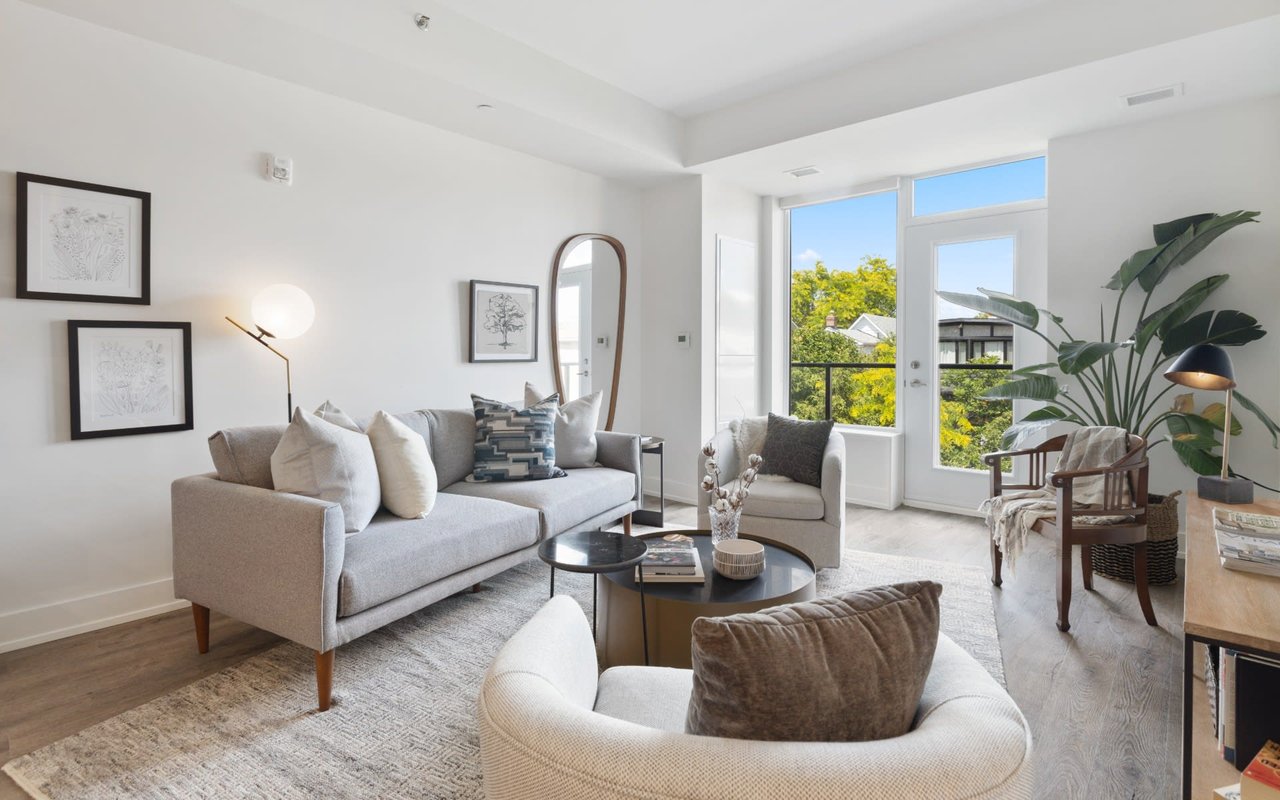
For many buyers, this type of newer inventory can offer a more compact footprint and a more efficient use of interior space. It also often comes with less exterior upkeep than a detached house, which can be a major plus if you want simpler day-to-day ownership.
What Newer Homes Often Offer
If you are comparing newer attached homes or townhome-style properties in Hanover, you may find benefits like:
- More manageable exterior maintenance
- A smaller yard or less outdoor responsibility
- Floor plans that may feel more streamlined for current routines
- Community or association-based living
That does not mean every property is the same. It means the general tradeoff usually leans toward convenience and efficiency over lot size and separation.
What to Watch in Newer Communities
The monthly cost picture is often more layered in these homes. In addition to mortgage and property taxes, you may need to account for association costs and understand what those fees cover.
It is also smart to confirm the rules of the community before you buy. The township notes that the Housing Partnership administers purchase units in deed-restricted communities, and owners may not rent out those units.
That makes due diligence especially important if flexibility matters to you. A home that feels perfect today should also match how you expect to live in the future.
Questions to Ask About Newer Homes
When touring newer homes in Hanover, consider asking:
- How much of the monthly payment goes to HOA or association costs?
- Is exterior maintenance, roofing, or landscaping handled by the association?
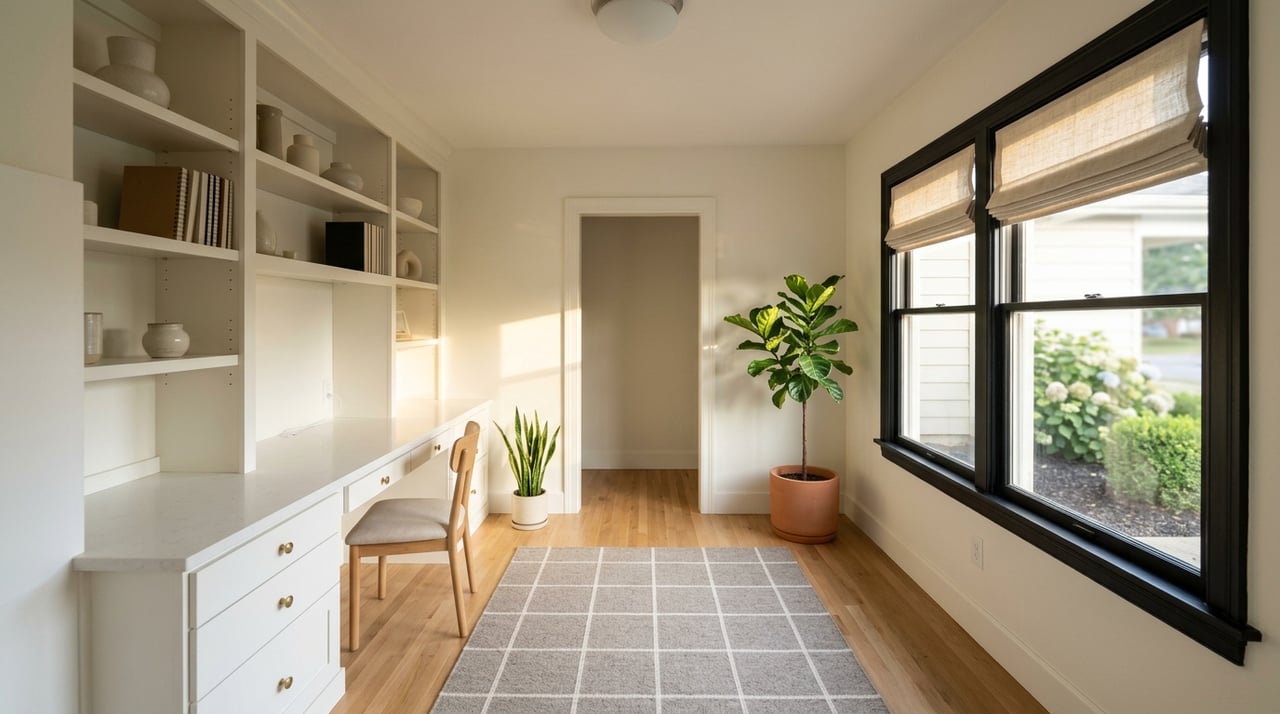
- Does the layout work for work-from-home needs or changing routines?
- Are there occupancy or resale rules if the home is deed-restricted?
Classic Homes in Hanover
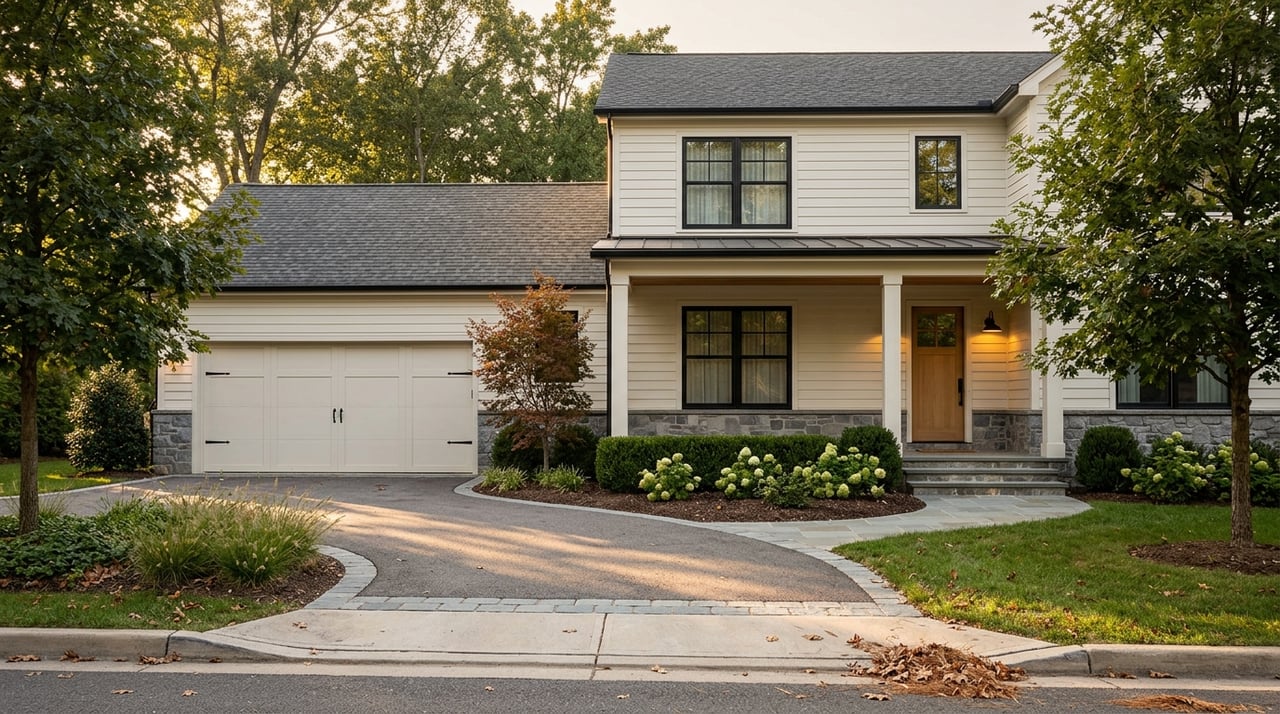
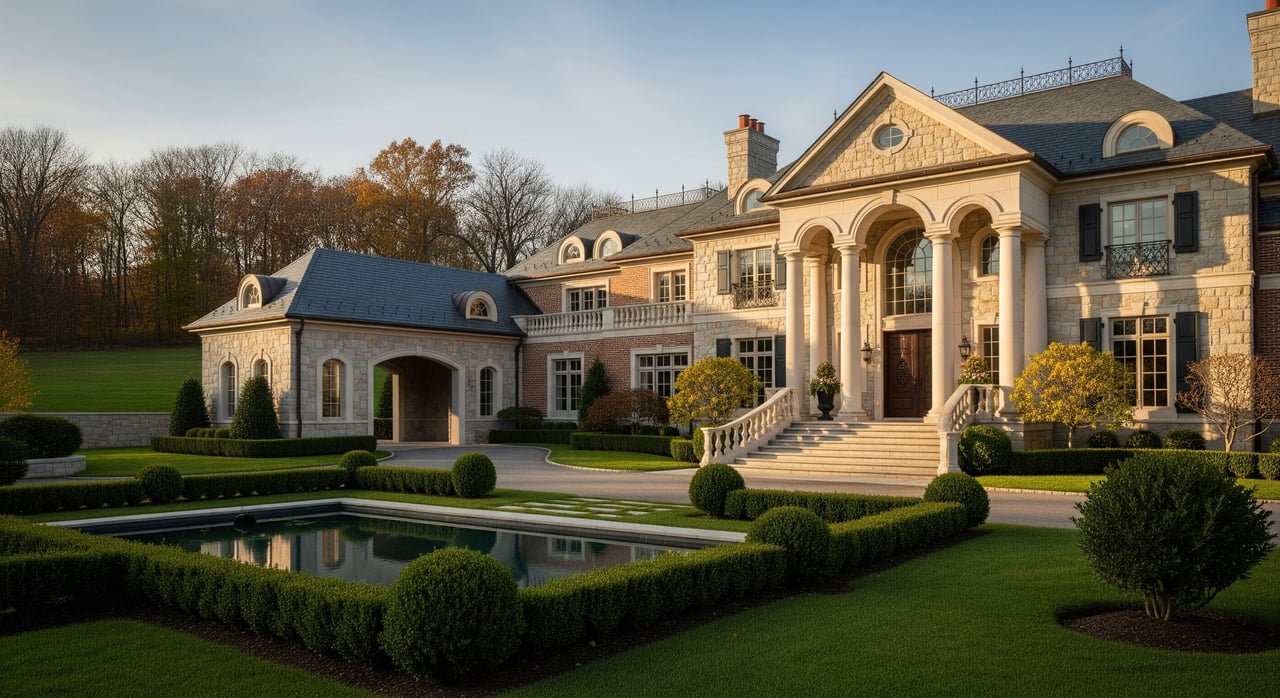
Older homes are not a small slice of Hanover’s market. They are a major part of the township’s identity.
The housing plan shows large groups of homes built from the 1950s through the 1990s, and Hanover’s historic roots run even deeper. The township says it was settled in 1676, and its historic preservation pages highlight places such as the Whippany Burying Yard, Monroe Hall, and Fordville.
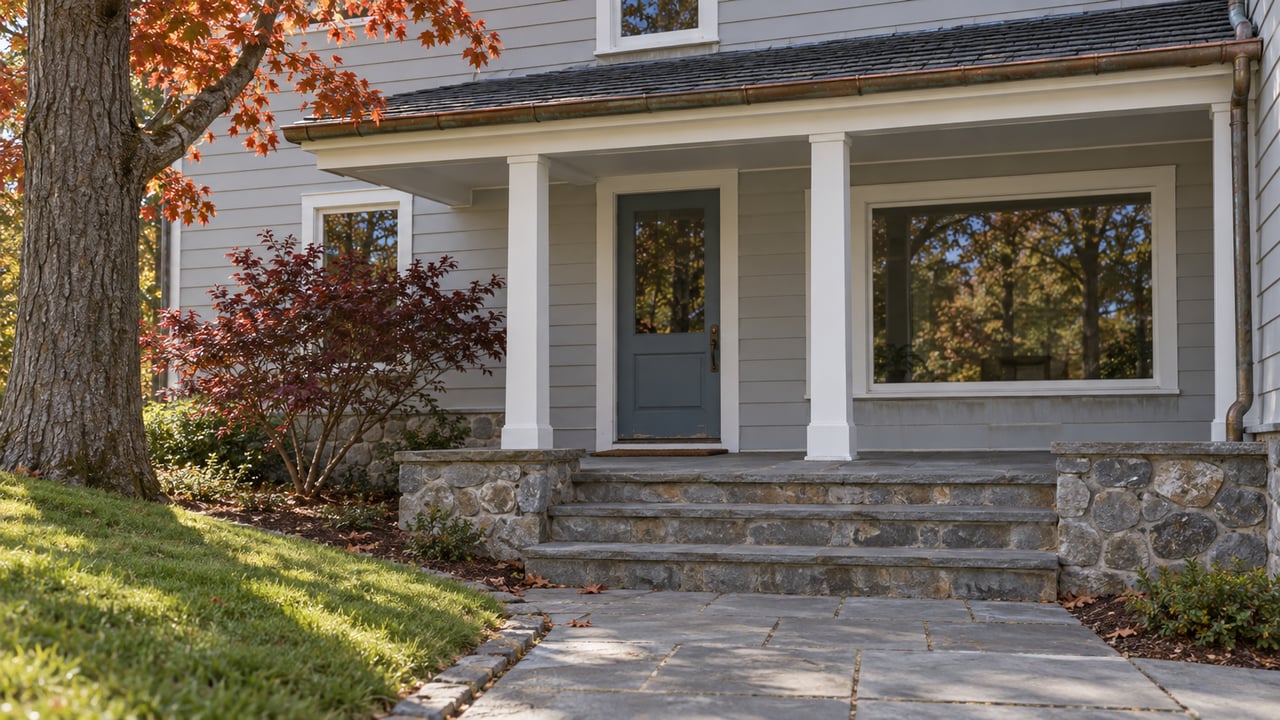
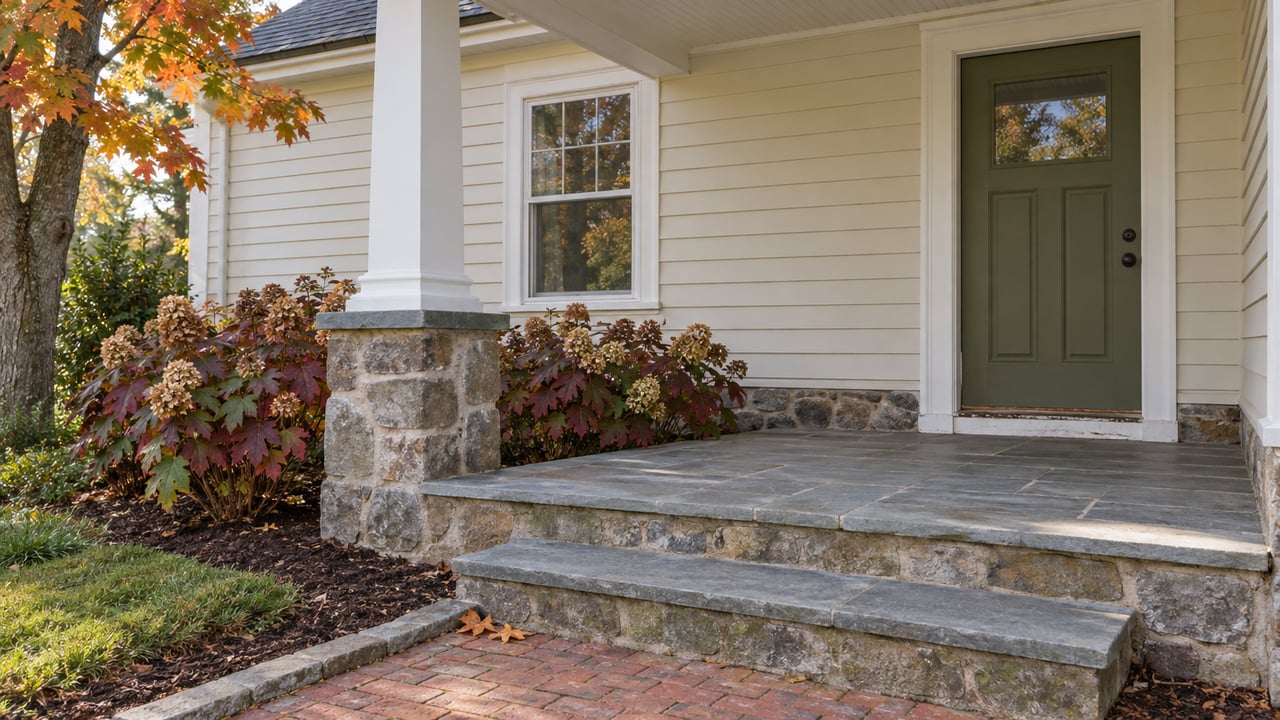
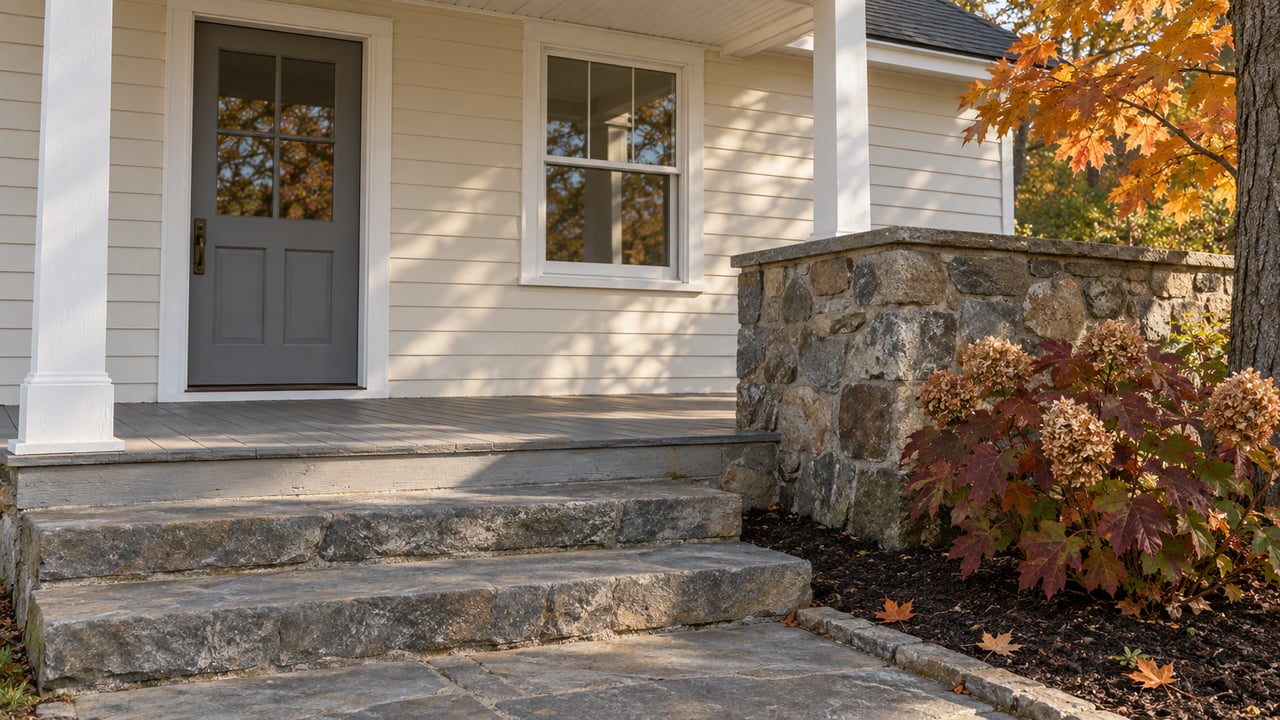
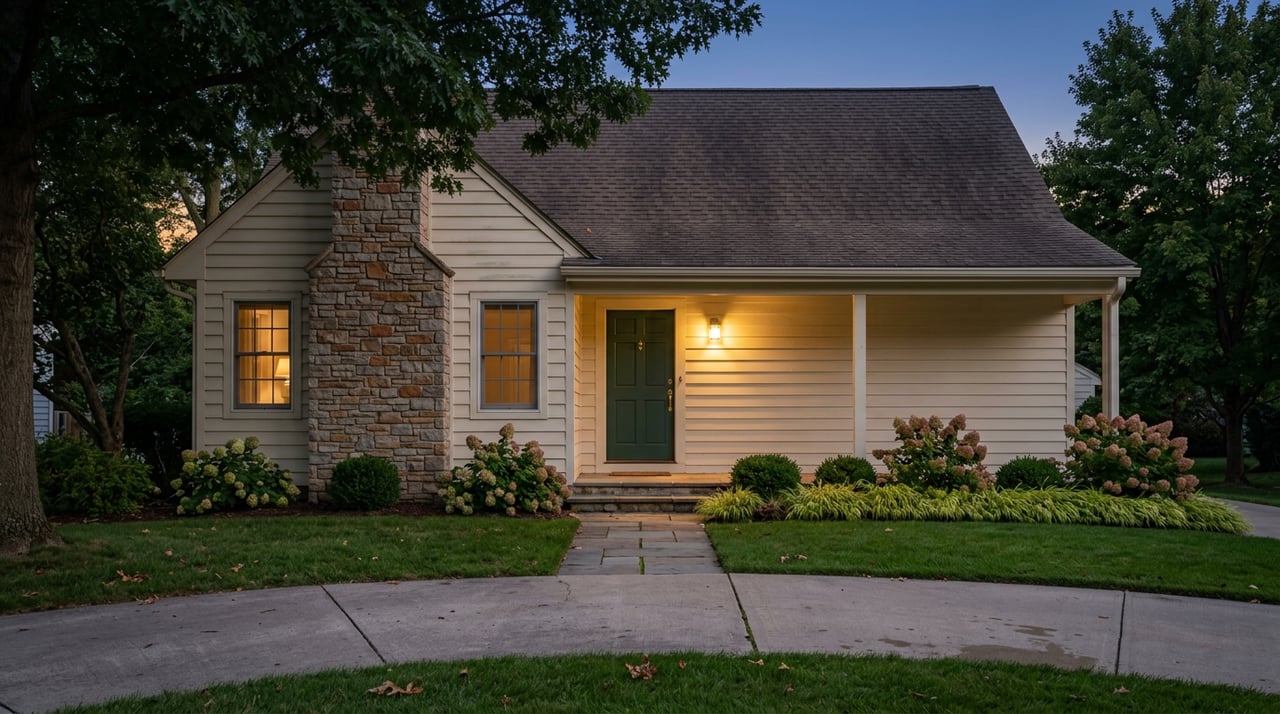
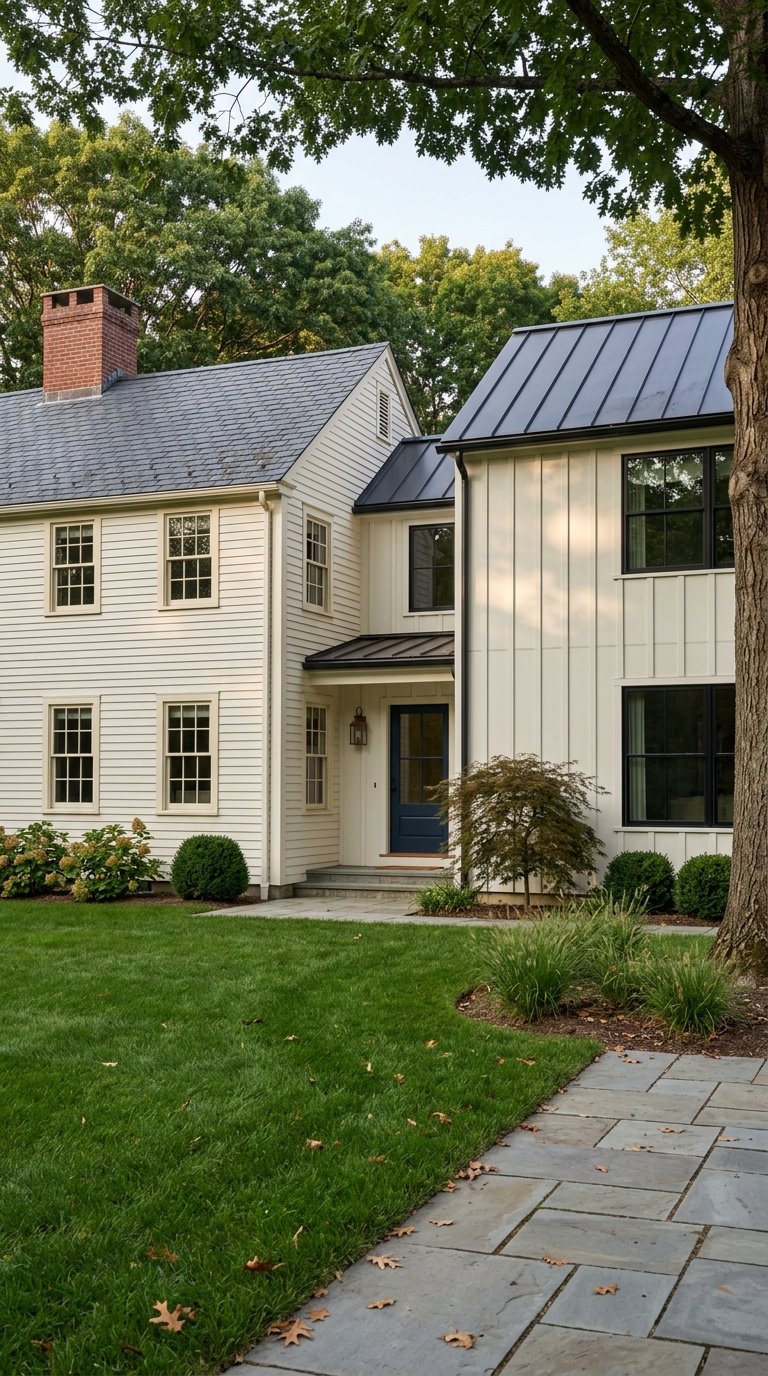
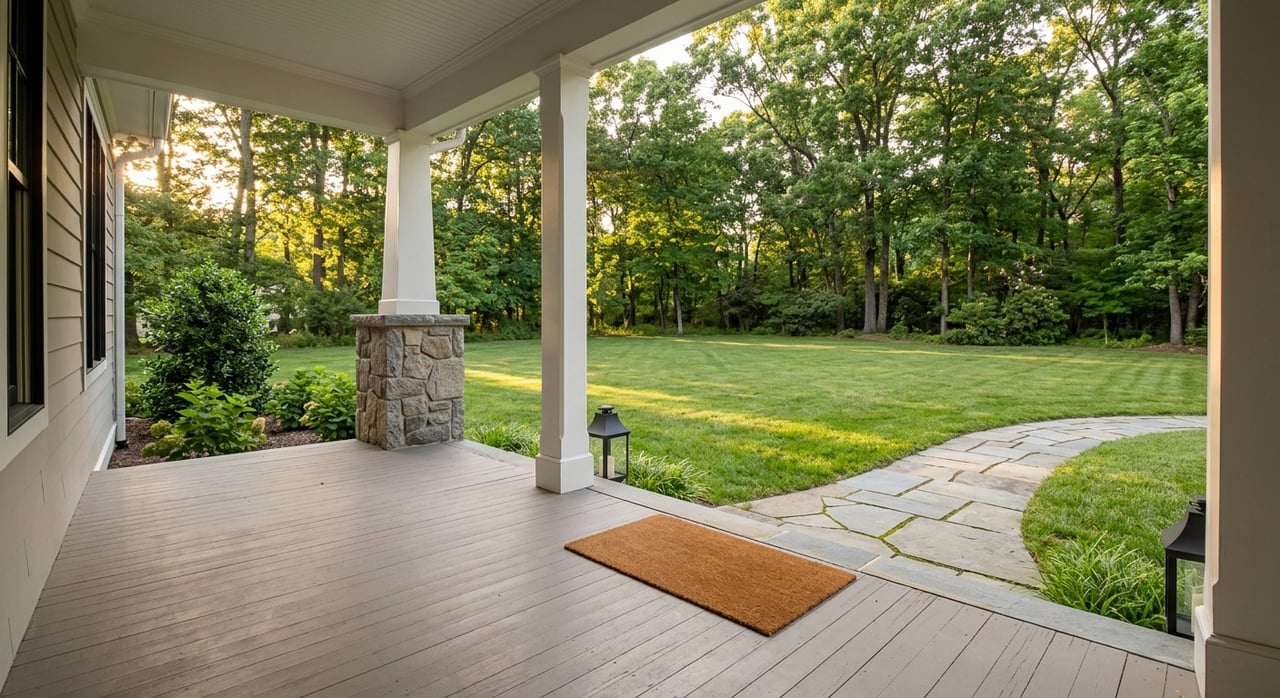
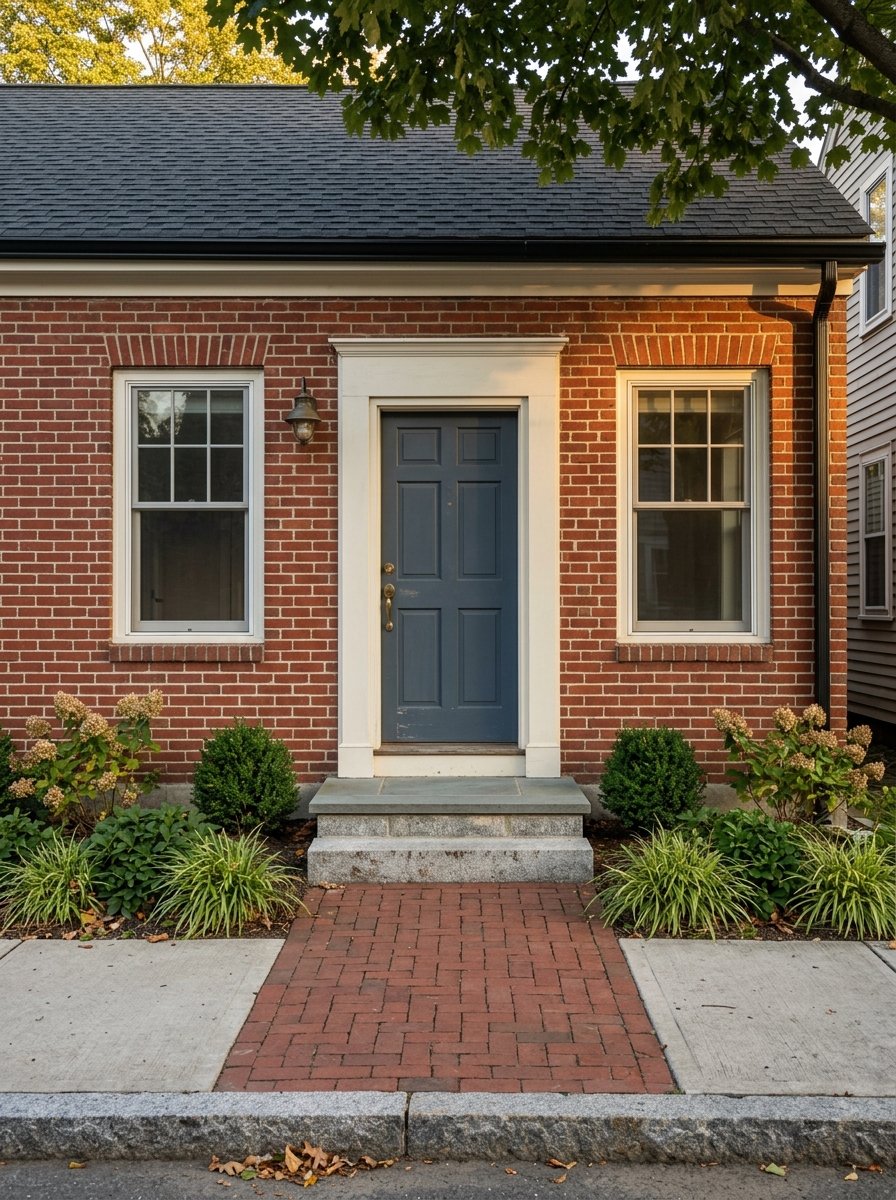
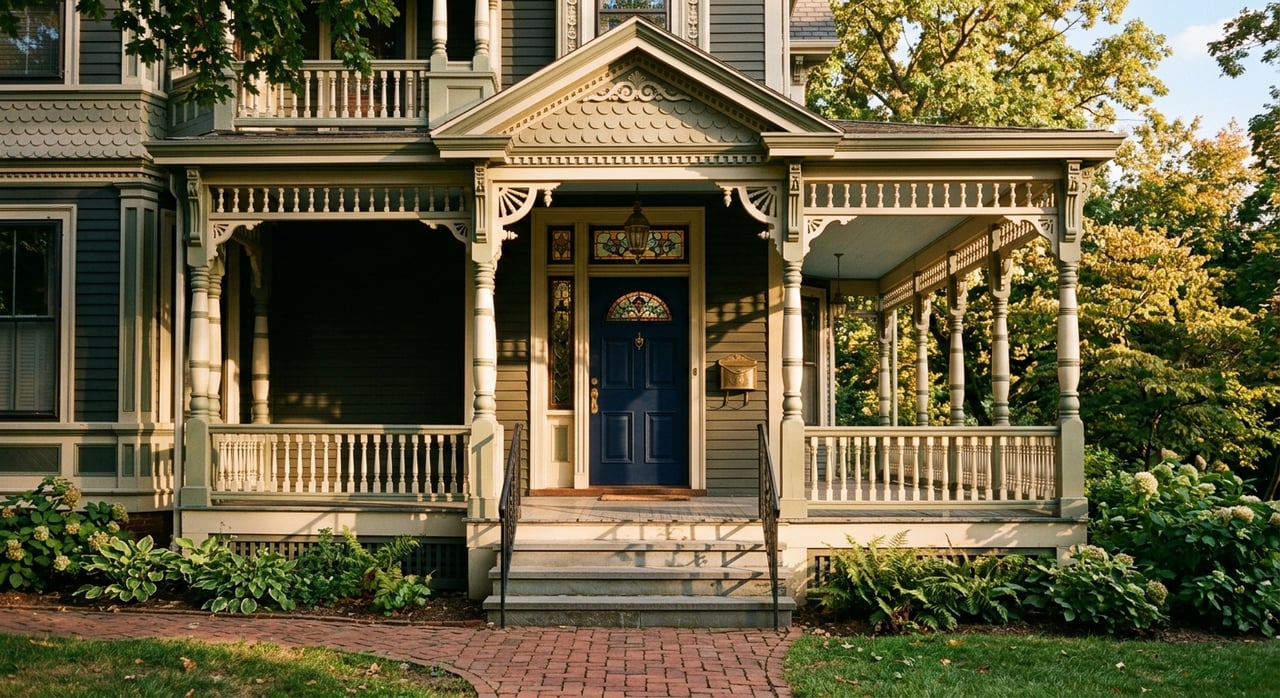
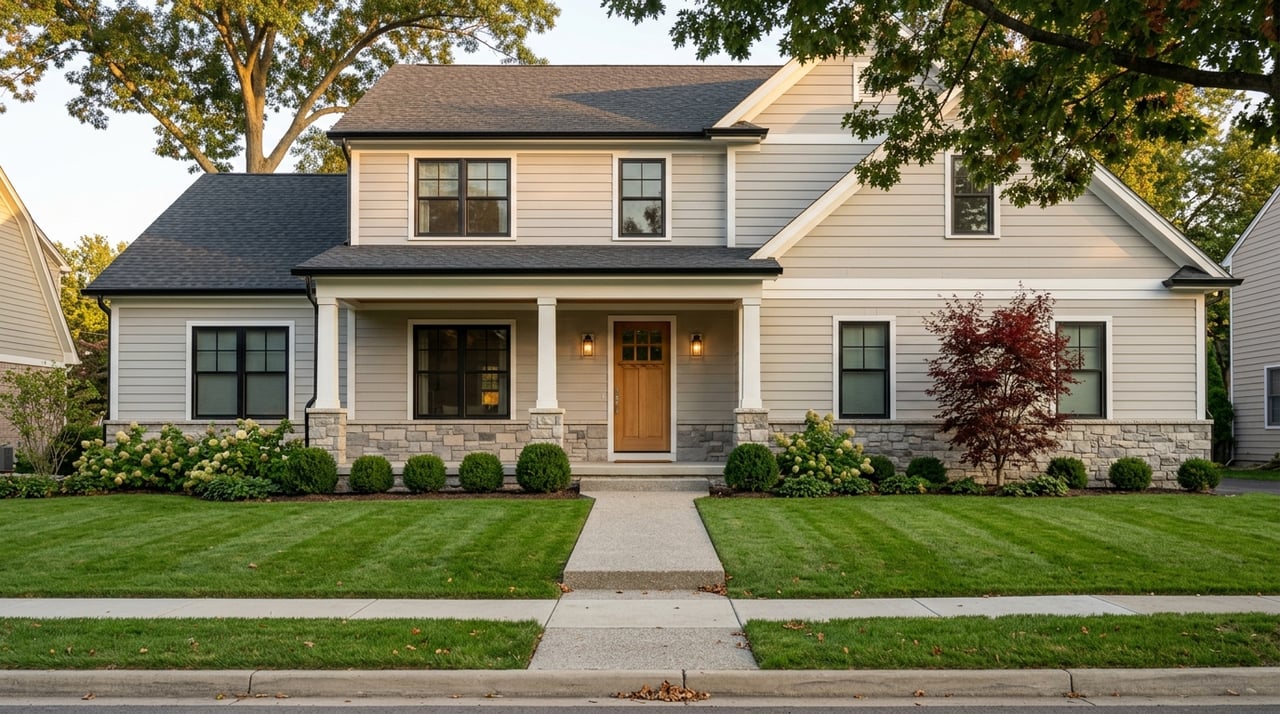
For buyers, that history often shows up in the feel of the housing stock. Older detached homes can offer more individuality, more established streetscapes, and potentially more private outdoor space.
Why Buyers Choose Classic Homes
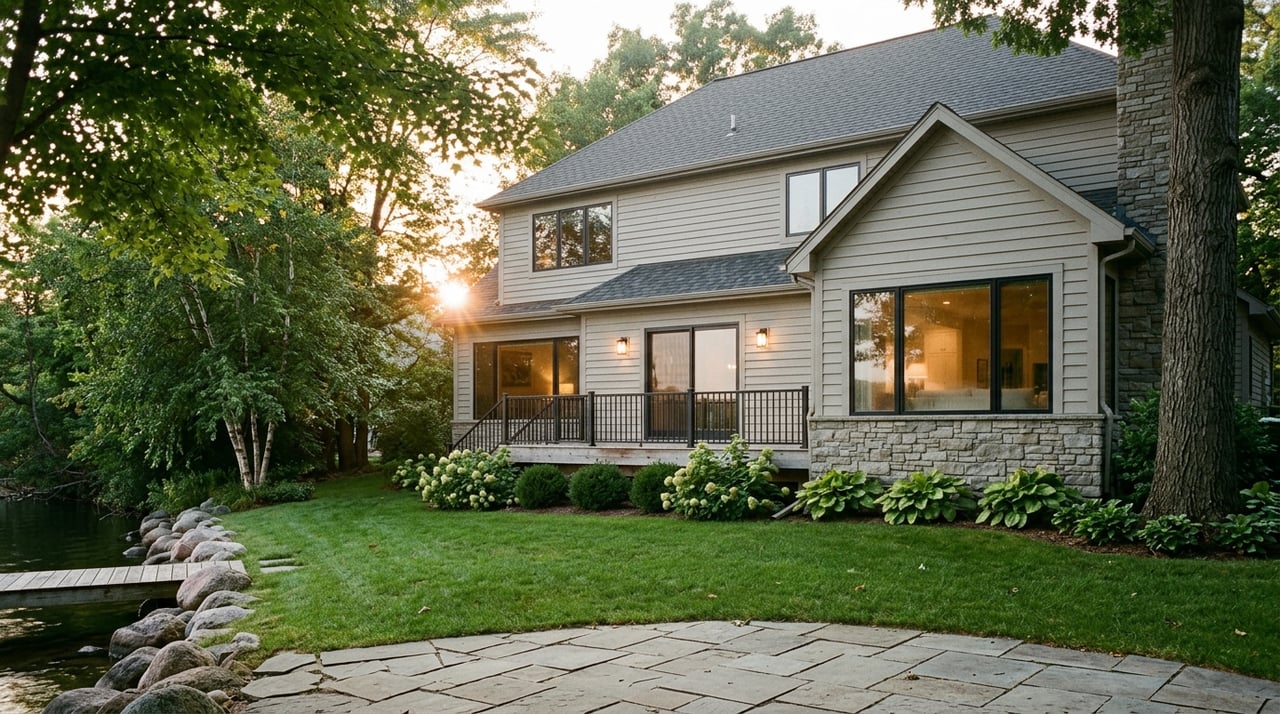
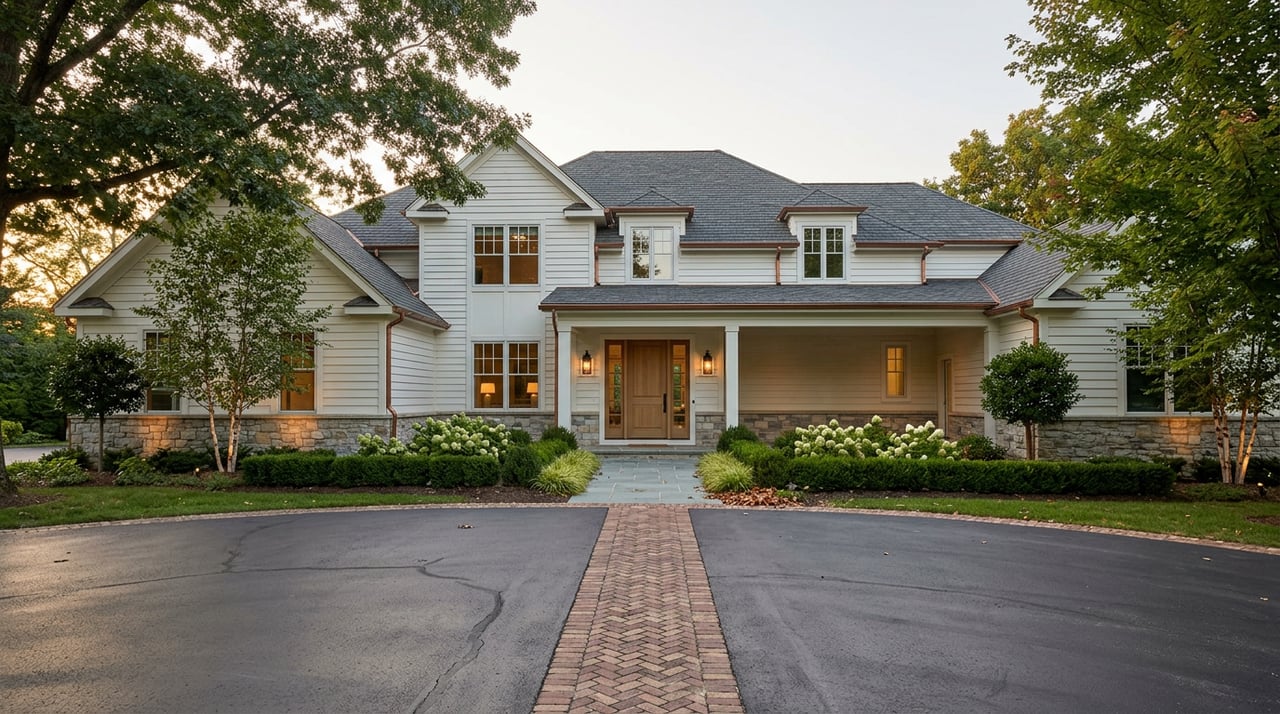
If you are drawn to a home with character and separation, classic Hanover homes may check more boxes. In many cases, they appeal to buyers who want a larger lot, mature surroundings, and a home that feels distinct rather than standardized.
This can be especially meaningful if outdoor space matters to you. Whether you are thinking about gardening, pets, entertaining, or simply wanting breathing room, lot shape and yard size can influence daily life as much as the interior does.
What to Evaluate Carefully
The tradeoff with an older home is usually not just cosmetic. It is often about system age, maintenance timing, and how much updating you want to take on.
That means you should look beyond fresh paint or staged rooms. Pay close attention to roofs, windows, HVAC equipment, drainage, and how the home has been maintained over time.
At the same time, older does not automatically mean poor condition. Hanover’s housing-condition data shows the stock is generally sound overall, with 98.8% of occupied units reporting complete kitchens, 99.8% complete plumbing, and 99.7% standard heating in 2023.
That is a reassuring baseline. Still, each individual property deserves a close review so you can separate cosmetic style from true mechanical condition.
Questions to Ask About Older Homes
As you compare classic homes in Hanover, keep these questions in mind:
- How original are the major systems and exterior components?
- Is there any basement water or drainage issue to plan for?
- Does the lot support the outdoor use you want?
- Can the room layout adapt to today’s lifestyle needs?
How Lifestyle Shapes the Best Choice
The right choice often starts with two simple questions: how much maintenance do you want, and how much outdoor space do you need?
If your priority is lower upkeep, a more compact footprint, and a community-oriented setting, a newer attached home or townhome-style property may be the better fit. If your priority is a larger lot, a more individualized home, and a neighborhood that already feels fully established, an older detached house may make more sense.
In Hanover, this decision is often less about access to the township itself and more about how you want to live within it. The community’s parks, concerts, fireworks, township day, and trail network help shape daily life across Cedar Knolls and Whippany.
That is helpful for buyers because it means the broader township experience stays relevant whether you choose newer or classic housing. In many cases, the difference comes down to yard responsibility, association rules, renovation appetite, and street character.
What Future Supply May Look Like
If you are hoping to wait for a wave of brand-new detached homes in Hanover, local planning documents suggest that may be unlikely. The township’s 2025 housing plan says vacant developable parcels are limited.
As a result, future growth is expected to be modest for detached homes, while more multi-family and inclusionary development is more likely. For buyers, that is useful context.
It suggests classic detached homes may continue to be an important part of the local market, while newer options may more often show up in attached or community-style formats. If your preference is very specific, timing and preparation may matter just as much as budget.
A Smart Way to Compare Homes
When you are touring homes in Hanover, try comparing each option across the same set of real-life criteria rather than focusing only on age.
Here is a practical checklist:
- Monthly ownership costs, including any association fees
- Exterior maintenance responsibilities
- Lot size and usable outdoor space
- Floor plan flexibility
- Mechanical system age
- Renovation or update needs
- Community rules, if any
- Long-term fit for your lifestyle
This kind of side-by-side thinking can make the decision feel less emotional and more clear. It also helps you spot when a classic home offers better value for your goals, or when a newer home saves you time and effort in ways that matter more.
If you are weighing newer homes versus classics in Hanover, the best answer is rarely one-size-fits-all. It depends on how you want to live now, what level of upkeep feels comfortable, and which tradeoffs are truly worth it to you. If you want help comparing Hanover options with a local, practical lens, Sueanne Sylvester can help you evaluate the details that matter most.
FAQs
What kinds of newer homes are most common in Hanover?
- In Hanover, newer housing often appears as attached homes, condominiums, or townhome-style community developments rather than large new single-family subdivisions.
Are older homes in Hanover usually in poor condition?
- No. Township housing-condition data shows Hanover’s housing stock is generally sound overall, though individual older homes still need careful review of systems, maintenance, and update history.
Is Hanover mostly detached housing or attached housing?
- Hanover is mostly detached housing. The township’s 2025 housing plan estimates 65.8% single-family detached units and 12.0% single-family attached units.
Will Hanover likely add many new detached homes?
- Local planning documents suggest future detached-home growth will likely be modest because vacant developable land is limited.
What should buyers compare when choosing between newer and classic Hanover homes?
- Buyers should compare upkeep needs, lot size, association costs and rules, floor plan efficiency, system age, and how well the home fits their long-term lifestyle.



![Spring Cleaning Checklist for Sellers [INFOGRAPHIC]](https://media-production.lp-cdn.com/cdn-cgi/image/format=auto,quality=85,fit=scale-down,width=1280/https://media-production.lp-cdn.com/media/ftjd2dbvsl20thkyykilflgj)
![Key Terms for Homebuyers [INFOGRAPHIC]](https://media-production.lp-cdn.com/cdn-cgi/image/format=auto,quality=85,fit=scale-down,width=1280/https://media-production.lp-cdn.com/media/j6fji95bja5w1782rpyoh4dw)