Thinking about leaving the city without giving up your connection to it? That is the question that brings many NYC commuters to Madison, a small Morris County borough with a strong rail link, a walkable downtown, and a lifestyle that feels fuller than just a place to sleep between workdays. If you are trying to understand why Madison keeps showing up on commuter shortlists, this guide will walk you through what stands out and what to weigh before you make a move. Let’s dive in.
Why Madison Stands Out
Madison sits about twenty miles west of Times Square, but its appeal is about more than mileage. Borough materials present it as a place where a historic downtown, local businesses, civic organizations, parks, theaters, and train access all work together.
For many buyers, that mix creates an easier rhythm. You can picture the workweek more clearly when the station, Main Street, and everyday errands are close together instead of spread across a car-dependent landscape.
Walkable Downtown Matters
One of Madison’s biggest draws is its downtown. In the borough’s master plan survey, the leading reasons people were drawn to live or work in Madison included the walkable downtown, access to NJ Transit, and the school system.
That matters because commuting is not just about the train ride. It is also about what your morning feels like, where you grab coffee, how easily you handle errands, and whether your town still feels active when you come home at the end of the day.
The same survey found that 77% of participants would prefer to walk for local trips and recreation if the environment were safe and well maintained. That helps explain why walkability is not just a nice feature in Madison. It is part of how residents want to live.
Downtown Is Part of Daily Life
Madison’s Downtown Development Commission supports the business district and organizes recurring promotions like the Madison Farm & Artisan Market, Taste of Madison, Green & Clean, and Bottle Hill Day. Those events help make downtown feel active and useful, not just charming.
The borough’s planning priorities also reinforce that point. A thriving downtown, an enhanced sidewalk network, and better commuter parking management are all identified as key priorities.
The Commute That Pulls People In
For Manhattan-bound buyers, the train is often the first practical question. Madison Station sits on Kings Road, one block from Main Street, which ties the commute directly to the center of town.
NJ Transit lists Madison Station on the Morris & Essex line, and the timetable identifies MidTOWN DIRECT service to Penn Station New York. For many NYC commuters, that direct service is the core reason Madison stays competitive with other suburban options.
Station Features Add Convenience
Beyond train service itself, the station offers features that support the day-to-day routine. NJ Transit lists parking, accessible station features, Wi-Fi, and bike racks or lockers at Madison Station.
The borough’s parking information also shows commuter permits, daily parking, and time-limited street parking around the station and downtown. In practical terms, that suggests a setup designed around the workday, whether you plan to walk, bike, or make a short drive to the station.
More Than a Commute Town
A lot of commuter towns offer transportation but feel quiet outside rush hour. Madison stands out because it offers a fuller local life after work and on weekends.
The borough describes the Madison Community Arts Center as the heart of the local arts and culture scene. Borough materials also note support for ongoing programming there with local partners, which adds to the sense of a connected community.
The Museum of Early Trades & Crafts sits on Main Street and focuses on American history through the lives and work of early craftsmen and artisans. The Shakespeare Theatre of New Jersey operates on the Drew University campus at 36 Madison Avenue, giving residents another established cultural destination nearby.
Everyday Amenities Support Local Living
Madison also offers civic amenities that strengthen daily life. The Madison Public Library provides free library cards for residents, wireless internet, public computers, and a collection of roughly 155,000 items.
The borough also highlights a community pool with family-oriented swimming, a snack bar, morning lessons, and a competitive swim team. Add in more than one hundred nonprofit and service organizations, and you get a town that offers plenty of ways to plug in beyond the commute.
Parks and Recreation Add Balance
If you want your town to support work-life balance, Madison has a lot to offer. The borough says it has close to 2 miles of trails across its open-space properties, which adds easy access to outdoor time.
Memorial Park alone spans 68 acres and includes sports fields, picnic areas, a dog park, a skating rink, community pool access, and woodland trails. The Madison Recreation Complex adds playing fields, restrooms, hiking trails, rain gardens, and a community garden.
For buyers comparing suburban options, this kind of setup can make a real difference. It gives you more ways to fit exercise, recreation, and downtime into the same weekly routine.
What Housing in Madison Looks Like
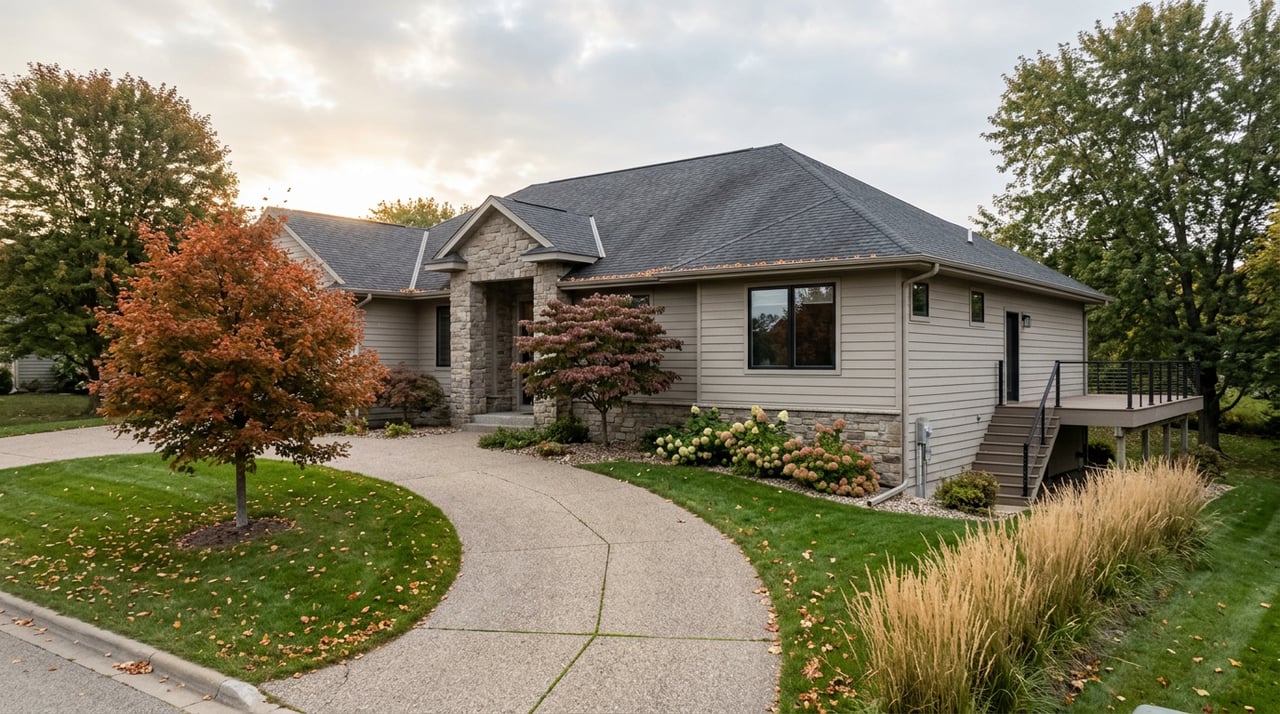
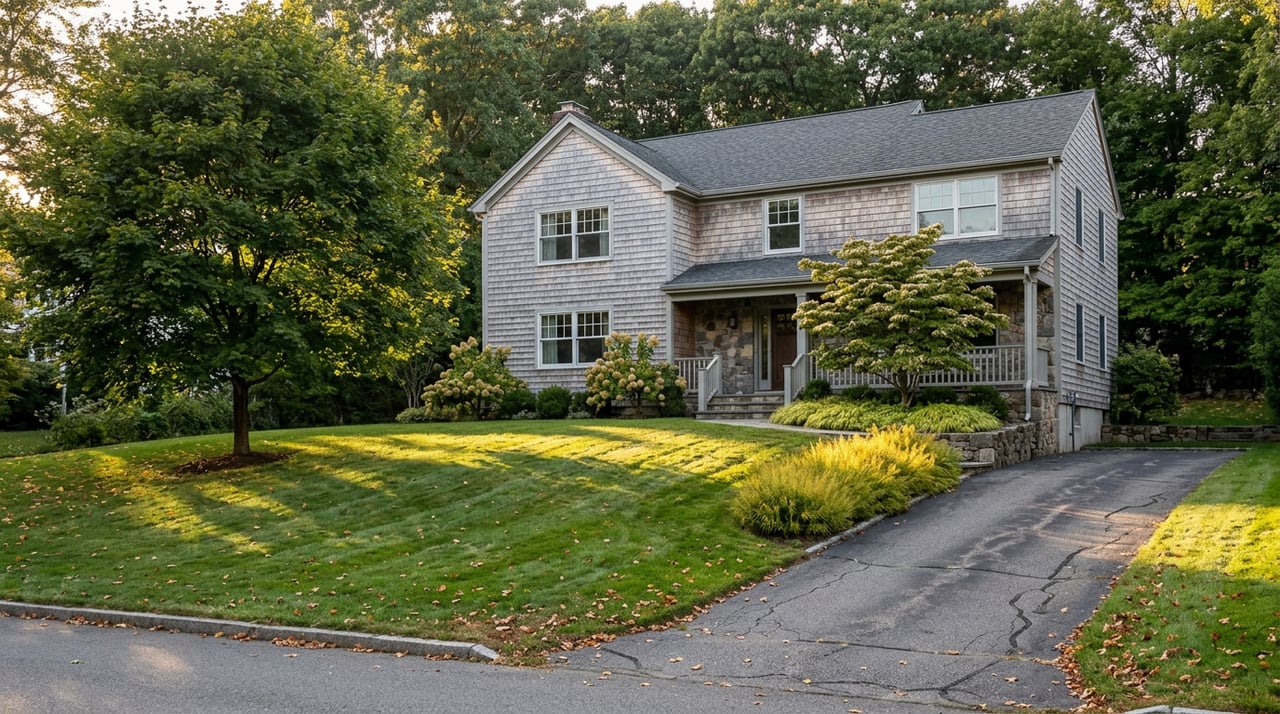
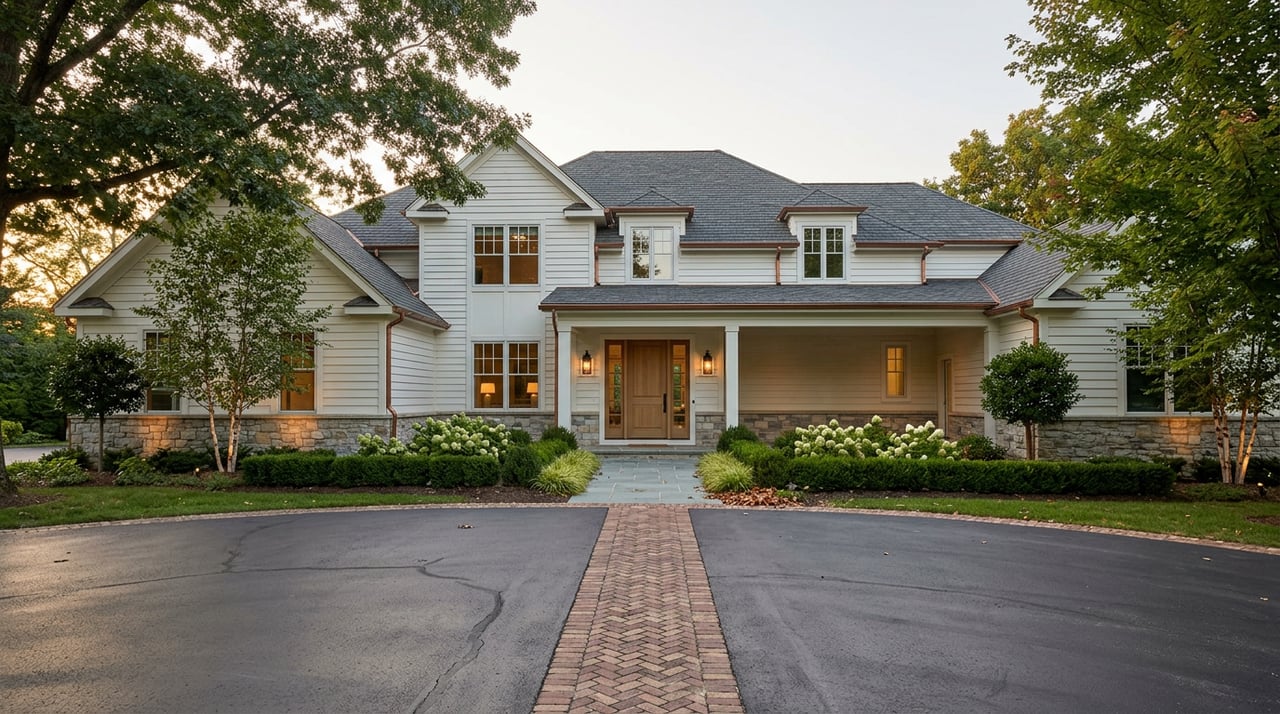
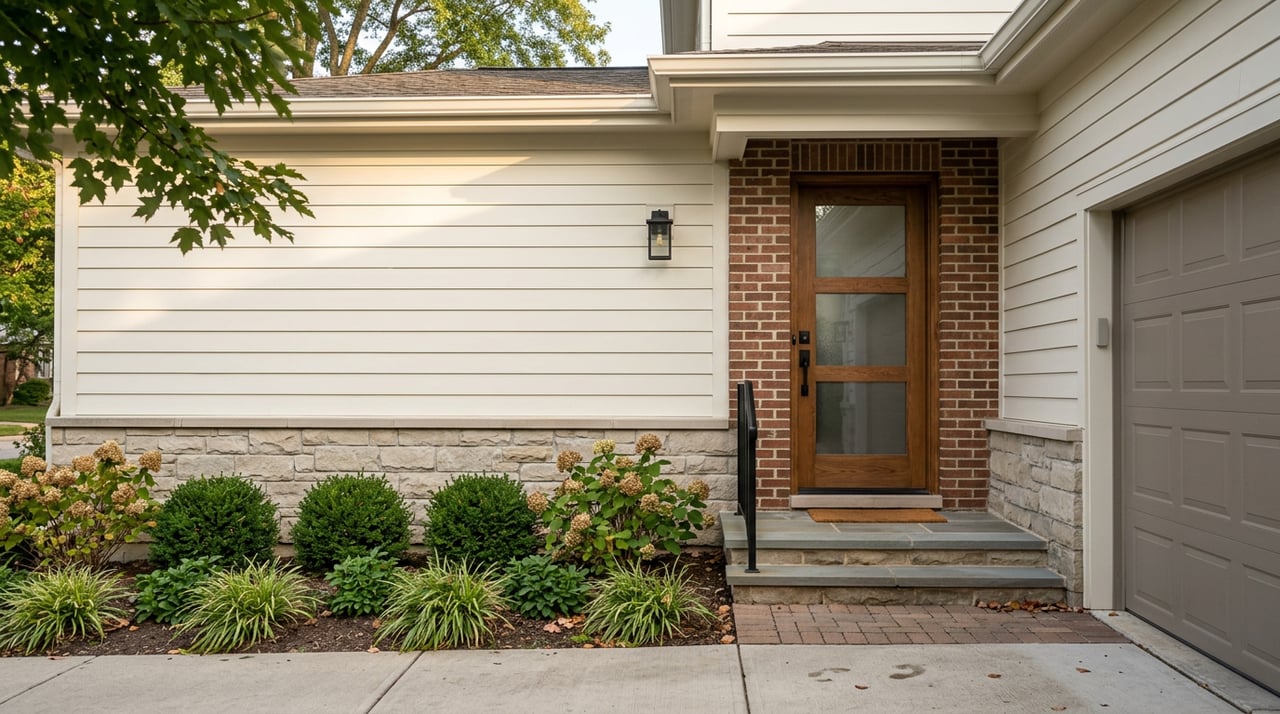
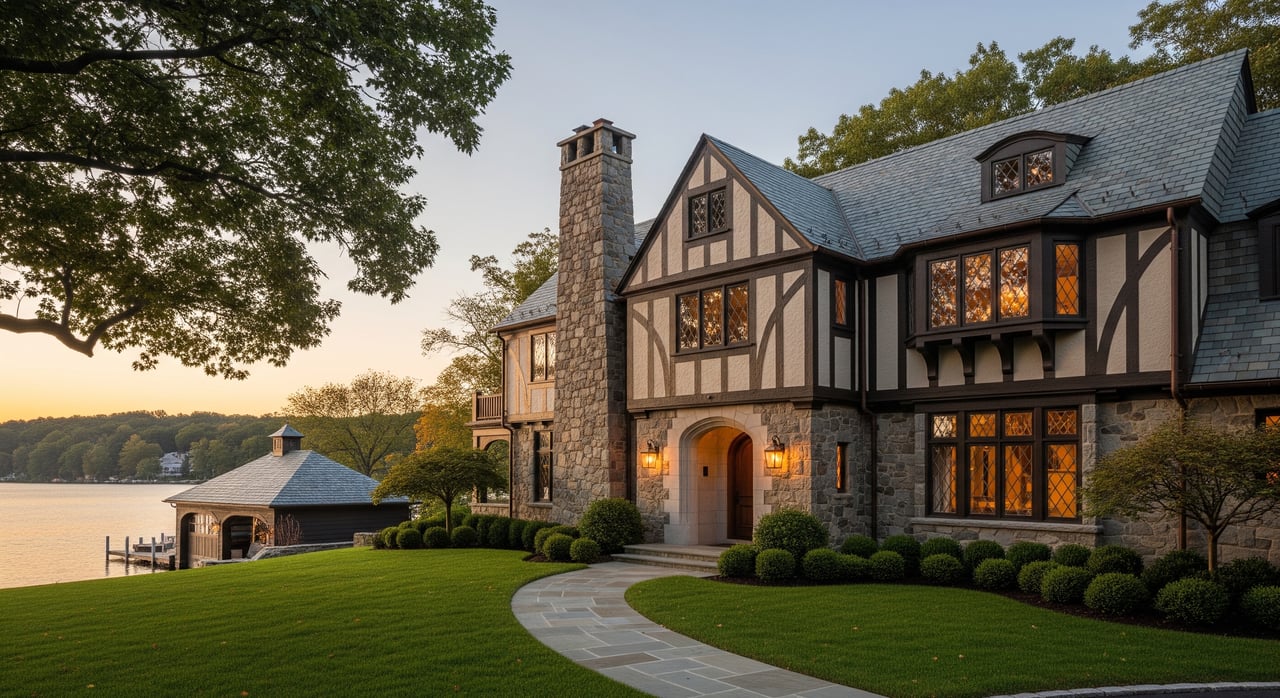
Madison’s housing stock helps shape its character. According to the borough master plan, more than 60% of housing units were built before 1960, nearly 30% before 1939, and less than 10% since 2000.
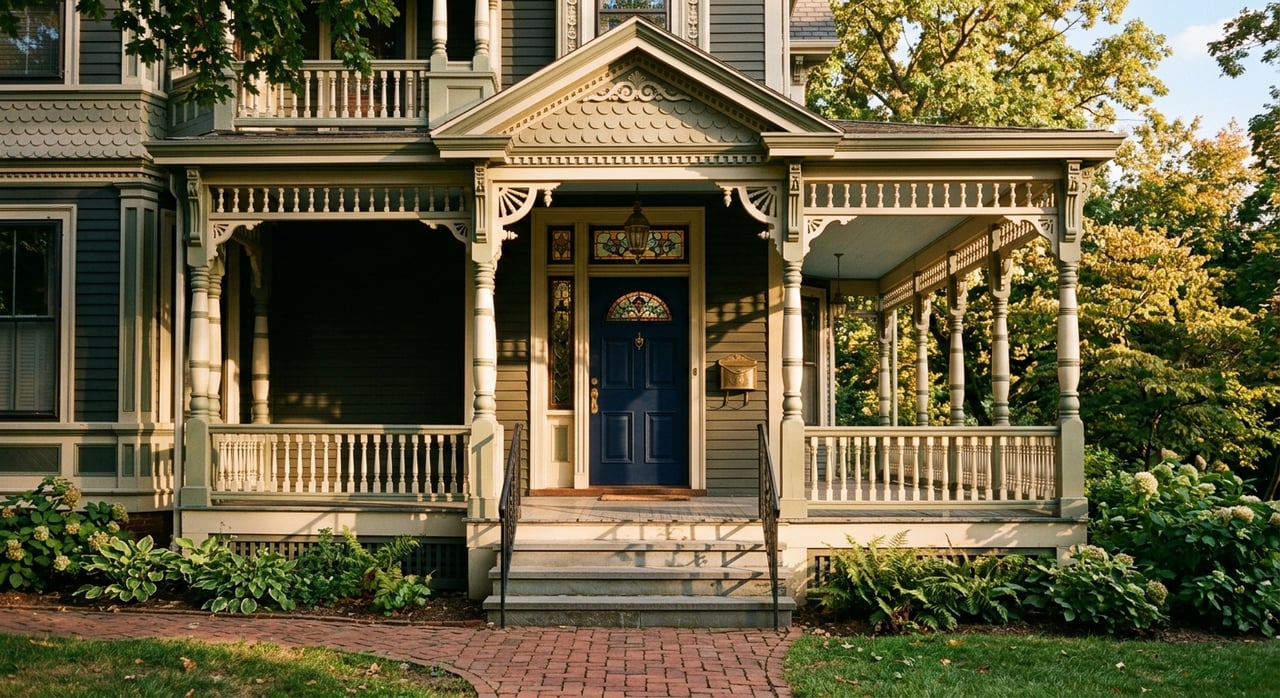
That usually signals a market with many older homes and established streetscapes. For buyers who like charm, history, and architectural variety, that can be a major plus.
Single-Family Homes Lead the Market
The same master plan says roughly 73% of Madison’s housing stock is single-family. About 20% is multi-family with three or more units, and the borough notes a limited supply of studio, one-bedroom, and two-bedroom units.
That housing mix can appeal to buyers looking for traditional suburban homeownership, while also signaling that smaller housing options may be more limited. The plan also notes new apartment construction at Rose Hall and a desire for more flexible downtown housing, while keeping historic preservation as a core concern.
Why Commuters Keep Choosing Madison
When you pull the pieces together, Madison offers something many commuters want but do not always find in one place. It has direct rail service, a downtown that supports daily life, local culture, parks, and a housing stock with established character.
It also appears to match what residents value most. The borough’s own survey points to walkability, NJ Transit access, community identity, and a vibrant downtown as key themes.
Tradeoffs to Keep in Mind
No town is perfect, and Madison is no exception. If you are considering a move, it helps to look at the tradeoffs with clear eyes.
Madison is more rail-oriented and walkable than many suburbs, but it is not a zero-car town. Downtown parking rules, commuter permits, and time-limited street parking are part of everyday reality.
The borough’s planning documents also show recurring resident concerns about over-development, high taxes, traffic and congestion, parking difficulty, and housing affordability. In many ways, those pressures reflect the demand that comes with a well-located and popular commuter market.
What This Means for Buyers and Sellers
If you are buying in Madison, it helps to be clear about your priorities. You may be drawn to the train, but your long-term satisfaction may come just as much from downtown convenience, recreation, and the feel of the housing stock.
If you are selling a home in Madison, these same features help shape buyer demand. Commute access, proximity to downtown, historic character, and lifestyle amenities can all influence how buyers see value in the market.
In a town where location and daily routine matter so much, smart positioning is important. Buyers want to understand not just the house, but how living there could work for them every day.
If you are thinking about buying or selling in Madison or elsewhere in Morris County, Sueanne Sylvester can help you evaluate the market, understand local demand, and plan your next move with confidence.
FAQs
Why do NYC commuters look at Madison, NJ?
- Many commuters are drawn to Madison for its MidTOWN DIRECT service to Penn Station New York, walkable downtown, and mix of parks, culture, and daily conveniences.
Is Madison, NJ walkable for daily errands?
- Madison is known for a walkable downtown, and the borough’s survey found that many participants preferred walking for local trips and recreation when conditions were safe and well maintained.
Does Madison, NJ have direct train service to New York City?
- Yes. NJ Transit lists Madison Station on the Morris & Essex line, and the timetable identifies MidTOWN DIRECT service to Penn Station New York.
What is downtown Madison, NJ like?
- Downtown Madison centers around Main Street and the station area, with local businesses, recurring community events, and a layout that supports both commuters and everyday errands.
What kind of homes are common in Madison, NJ?
- Madison’s housing stock is mostly single-family and generally older, with more than 60% of units built before 1960 and a limited supply of smaller unit types.
What should buyers know before moving to Madison, NJ?
- Buyers should know that Madison offers strong commuter access and lifestyle appeal, but they should also factor in parking rules, traffic, affordability, and other pressures common in desirable commuter markets.








![Spring Cleaning Checklist for Sellers [INFOGRAPHIC]](https://media-production.lp-cdn.com/cdn-cgi/image/format=auto,quality=85,fit=scale-down,width=1280/https://media-production.lp-cdn.com/media/ftjd2dbvsl20thkyykilflgj)

![Key Terms for Homebuyers [INFOGRAPHIC]](https://media-production.lp-cdn.com/cdn-cgi/image/format=auto,quality=85,fit=scale-down,width=1280/https://media-production.lp-cdn.com/media/j6fji95bja5w1782rpyoh4dw)